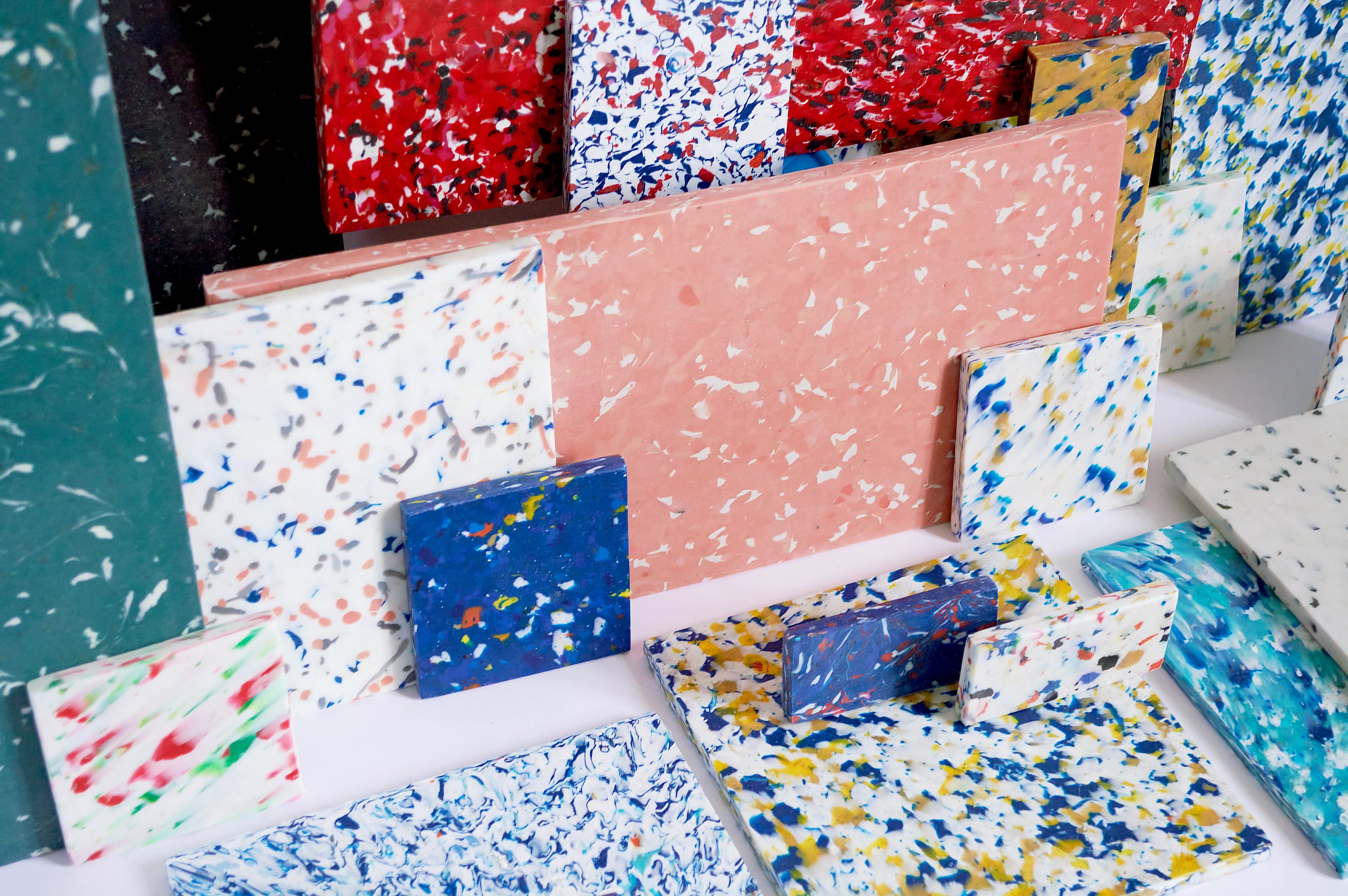
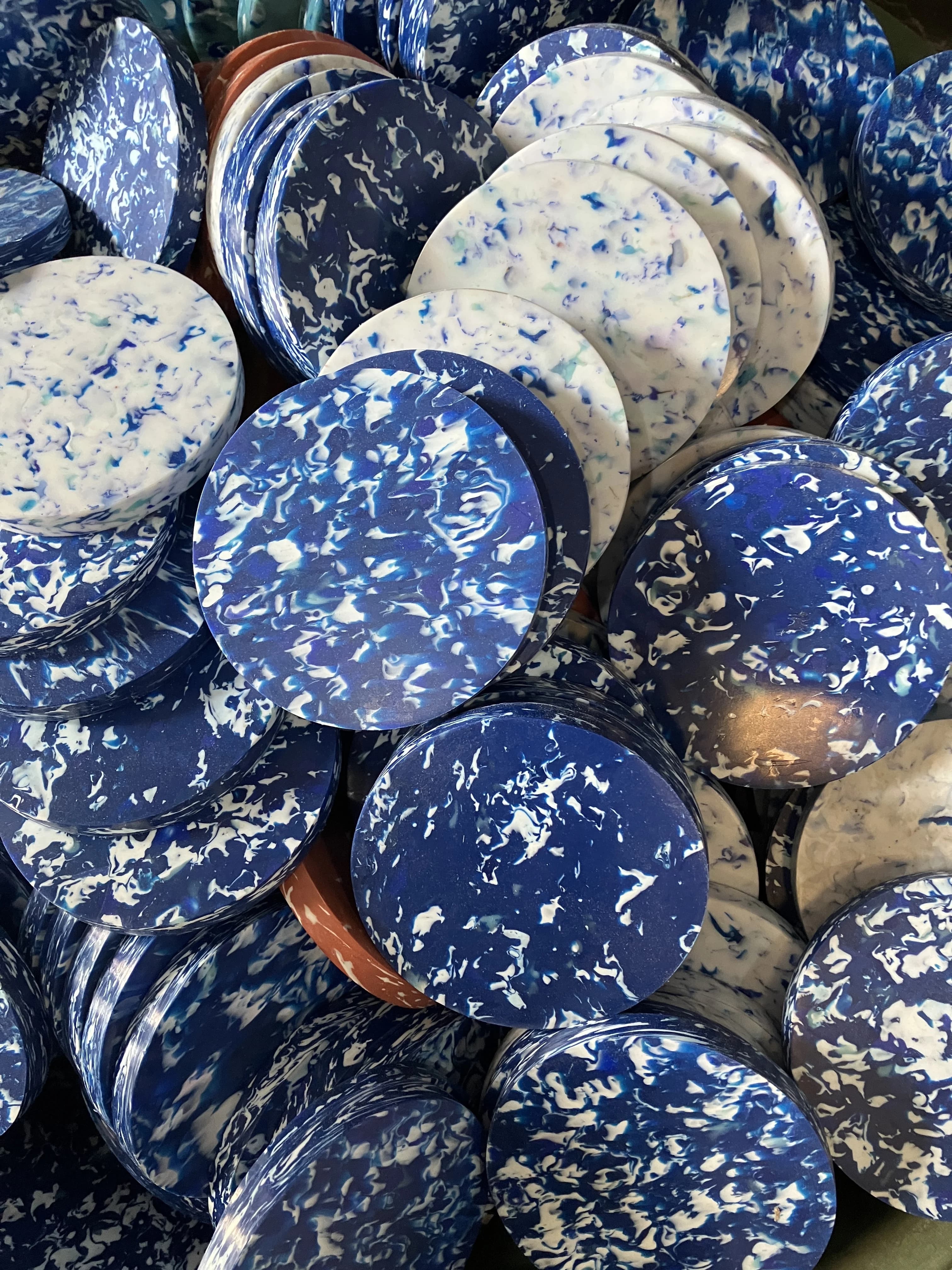
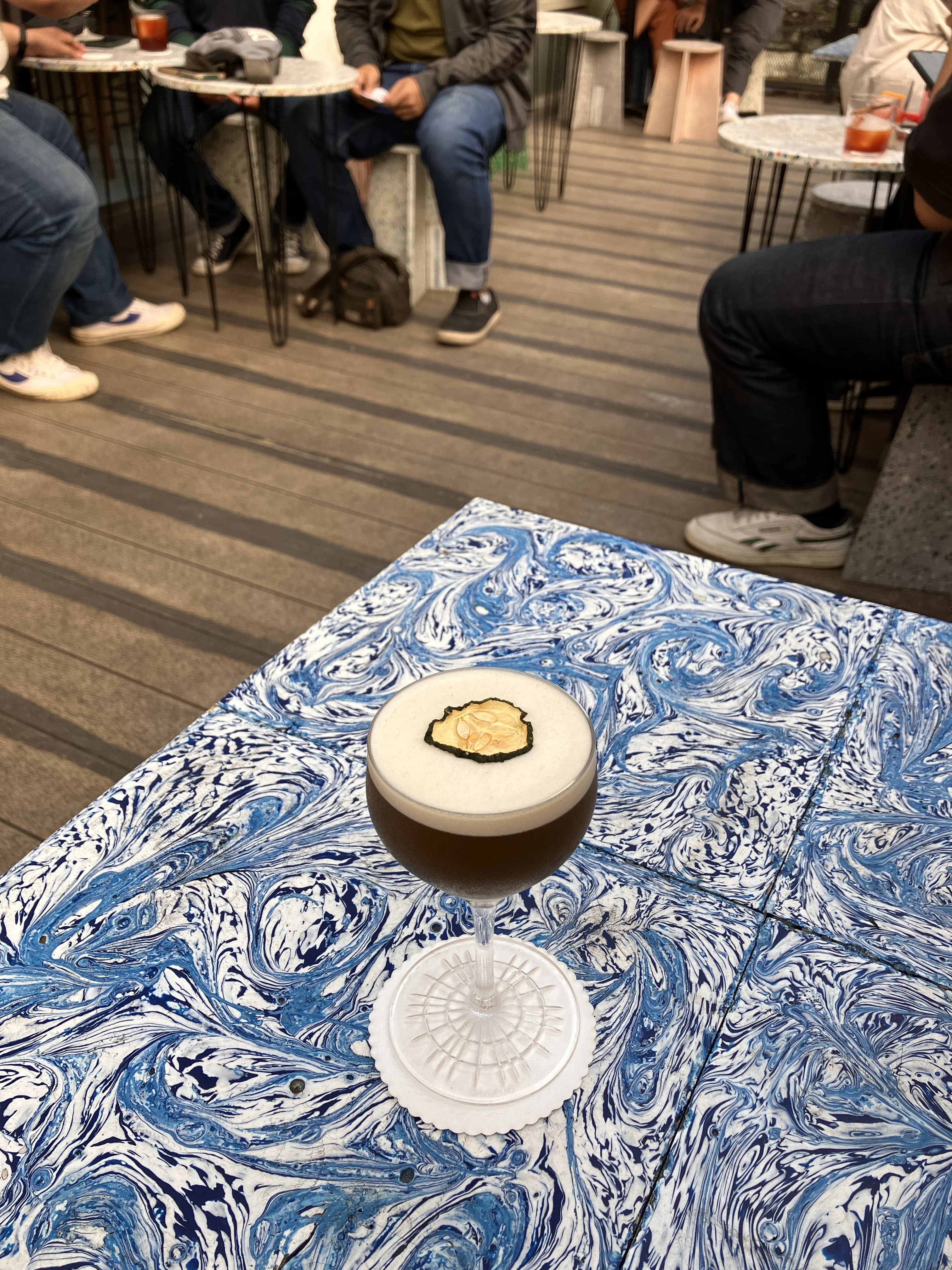
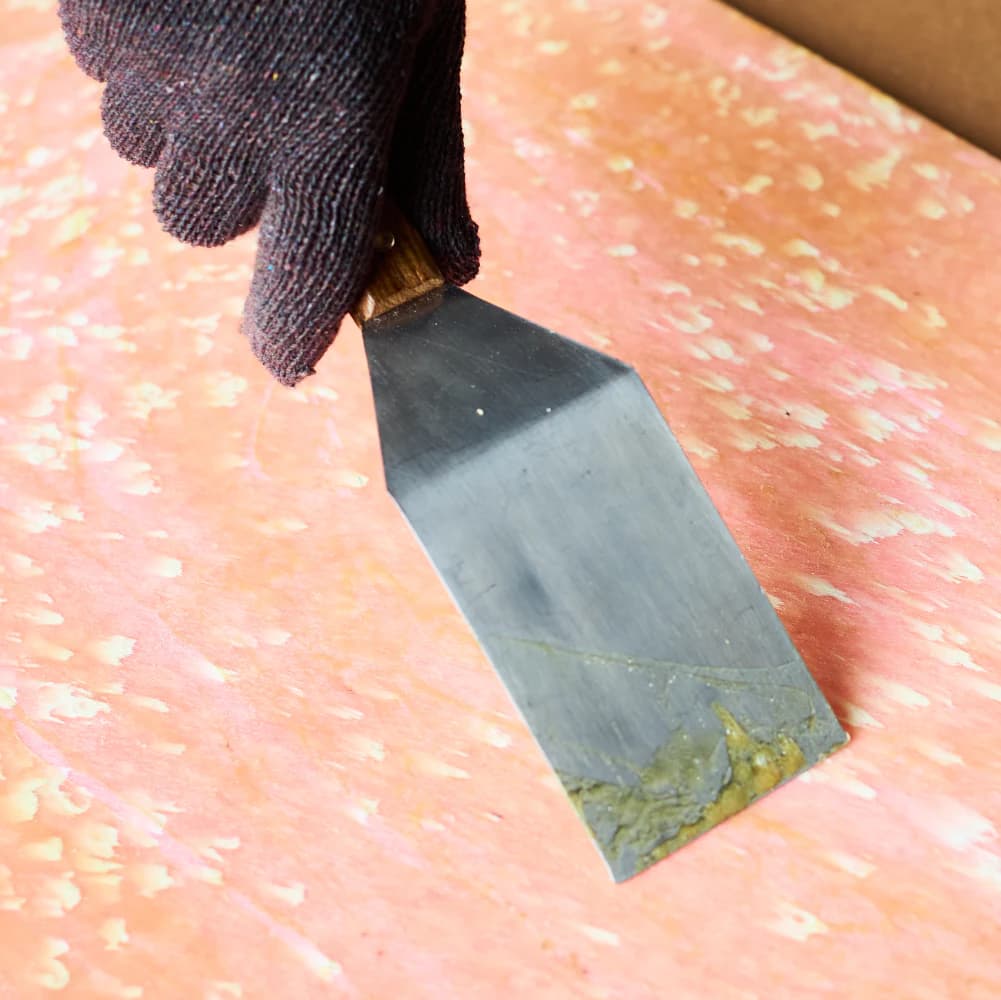
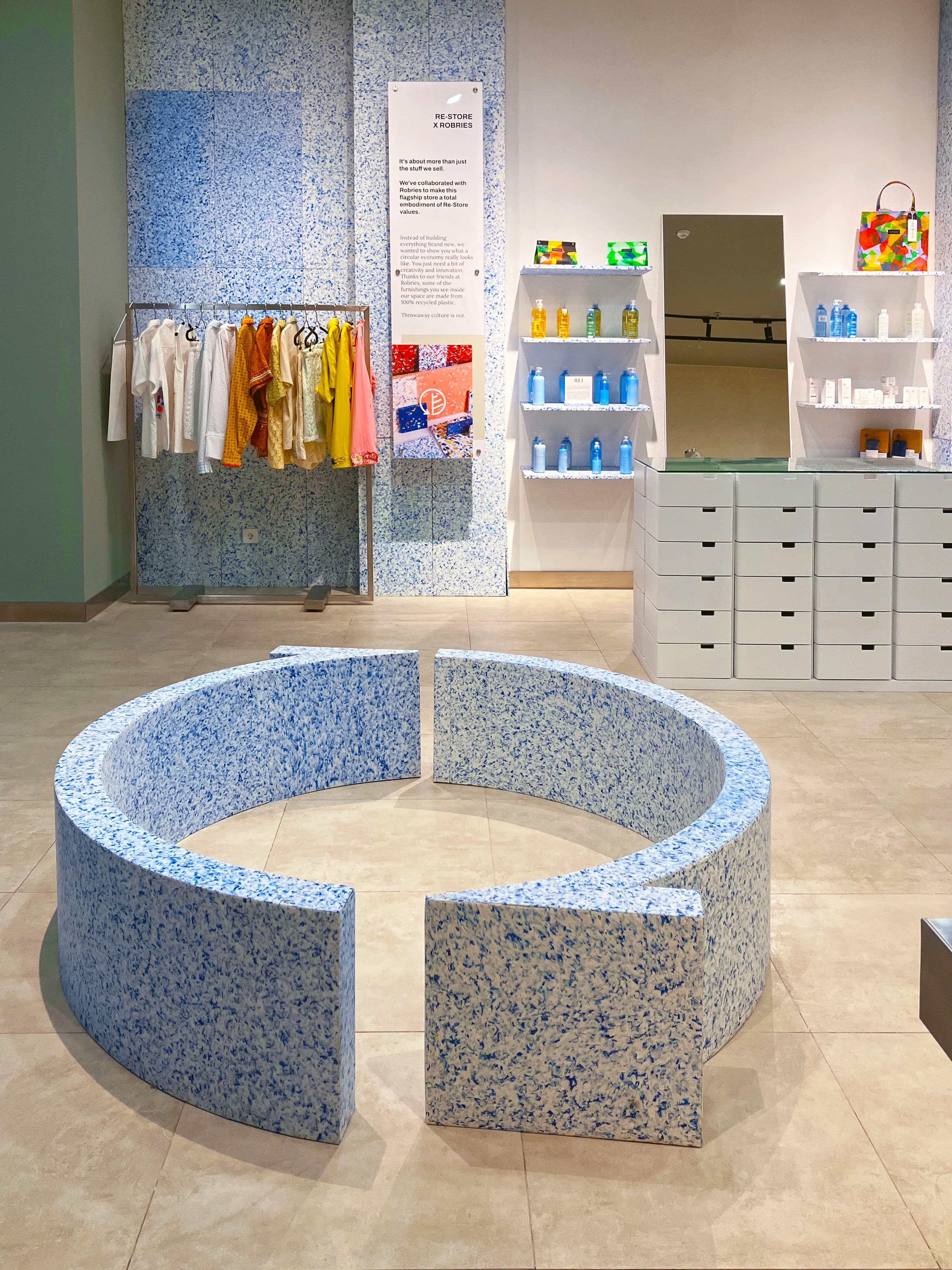
Meet the Robries Polymer Sheet

A recycled plastic material made for product design, spaces, and architectural applications.

Explore the Material

MATERIAL SOURCING

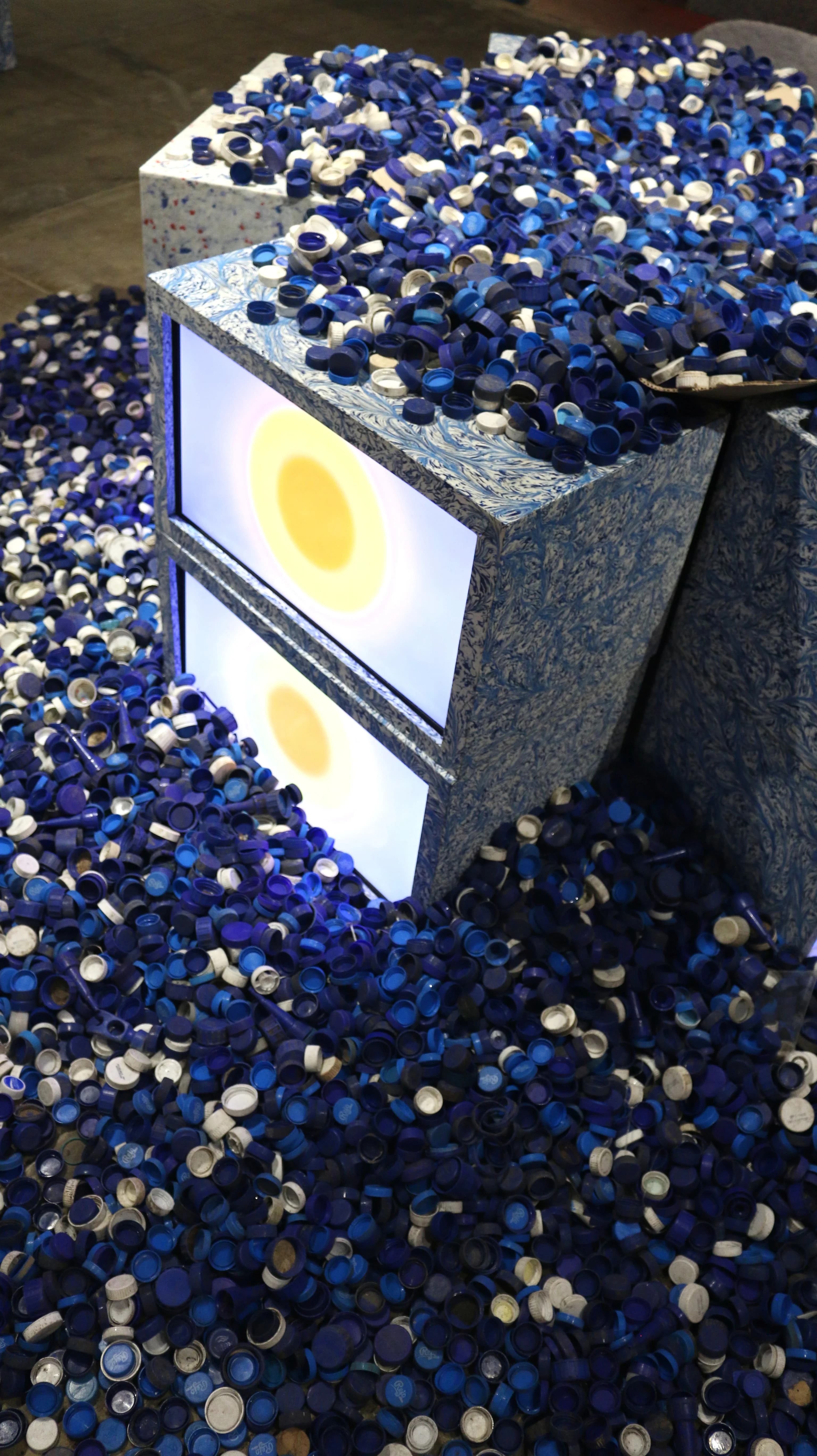
We source plastic waste through local collection and sorting networks in Indonesia, then process it into high-value sustainable materials. By focusing on domestic sources, ROBRIES helps reduce the national plastic waste burden.

Indonesian local plastic waste as the source of Robries Polymer Sheet
Local plastic material detail for Robries Polymer Sheet
Local plastic material processing for Robries Polymer Sheet

Transparent, responsible sourcing is the foundation behind every ROBRIES material used in real-world projects.

View Documentation

MATERIAL TYPES

TYPE

LDPE (Low-Density Polyethylene)

SOURCE

Waste from flexible plastics, gallon caps, squeezable bottles, and similar materials.

RECYCLE CODE
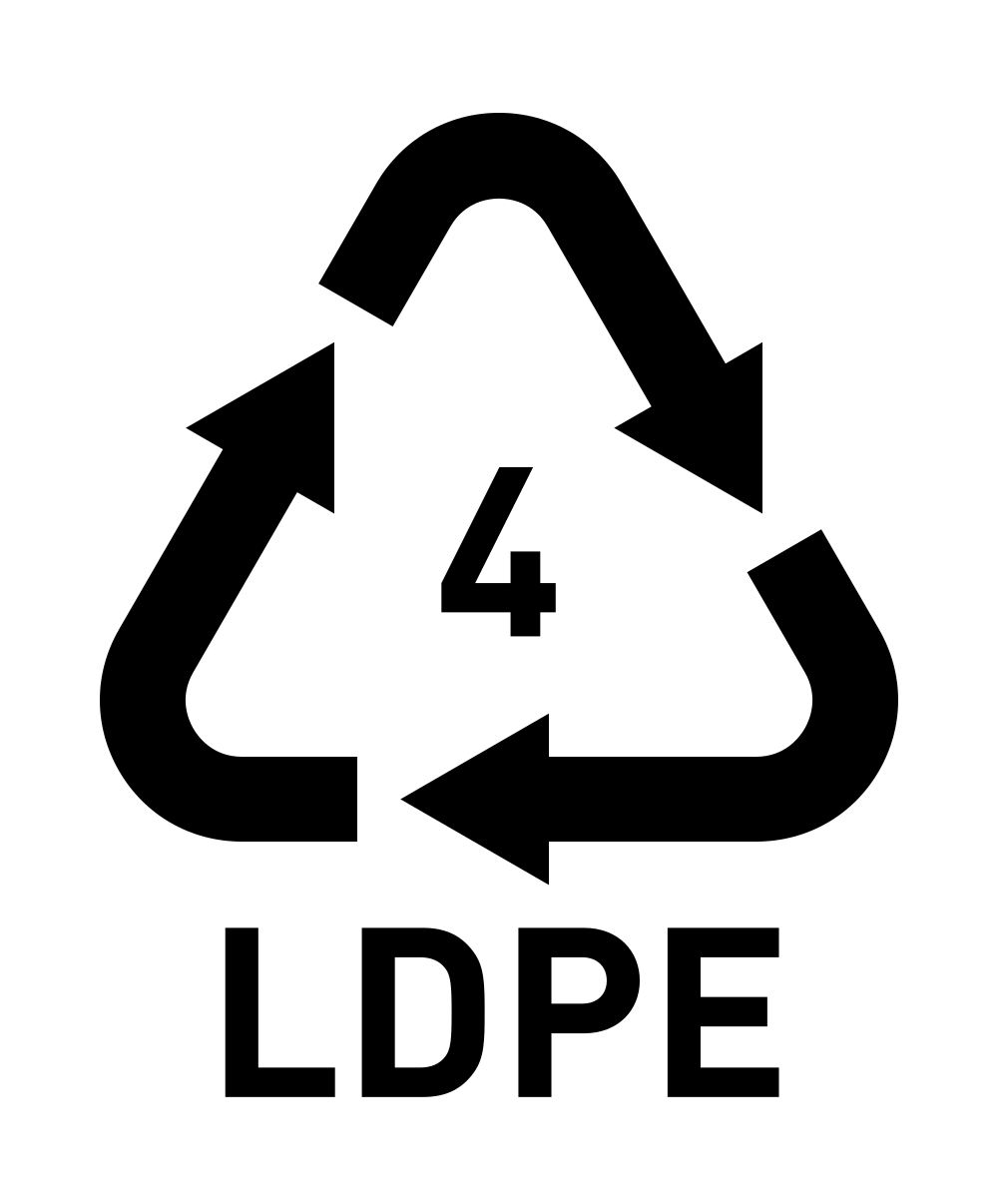
LDPE logo for ROBRIES material type

IMPACT STRENGTH

93 kg/cm²

TYPE

HDPE (High-Density Polyethylene)

SOURCE

Waste from bottle caps, crates, shampoo bottles, gallon caps, and similar materials.

RECYCLE CODE
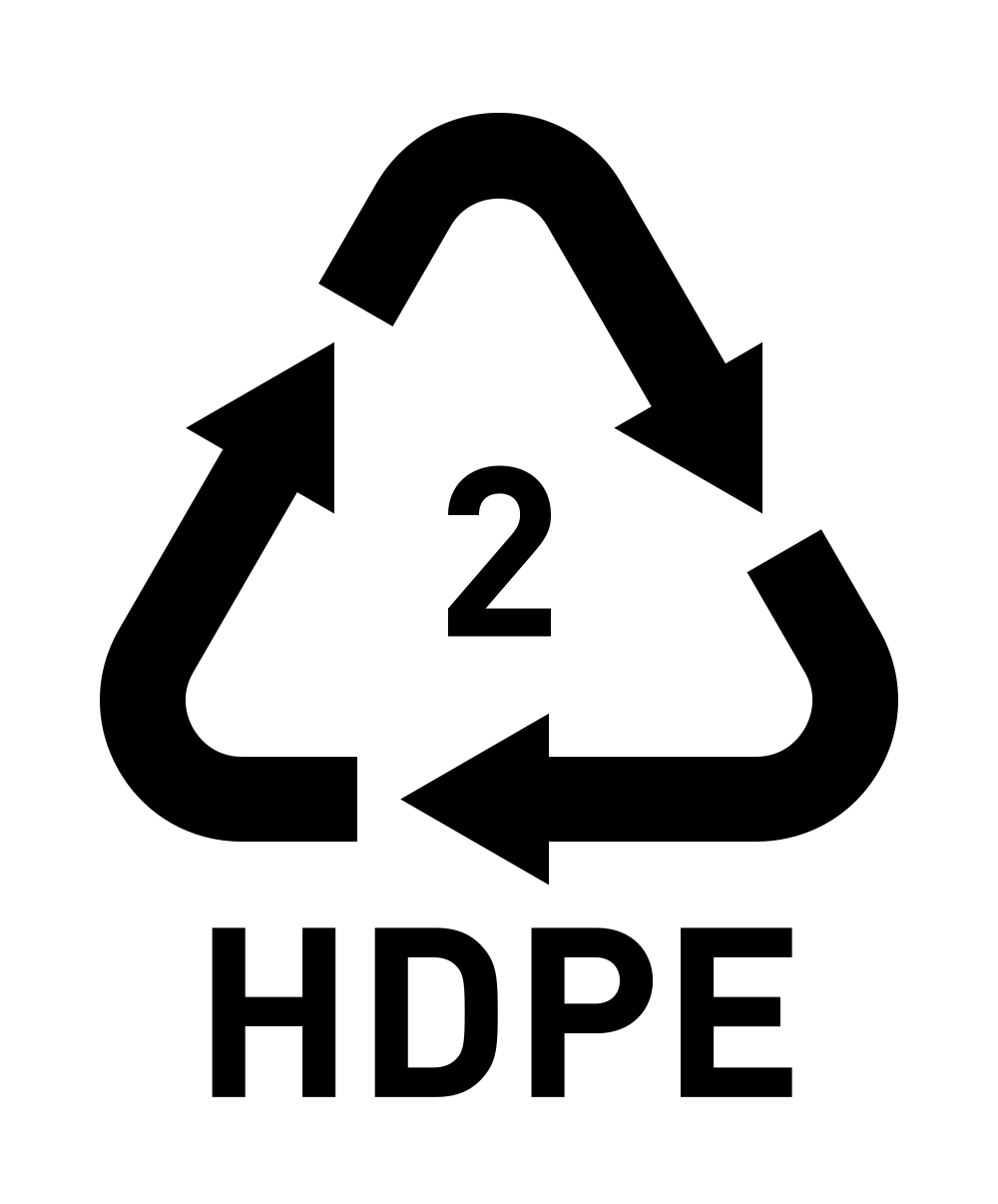
HDPE logo for ROBRIES material type

IMPACT STRENGTH

214 kg/cm²
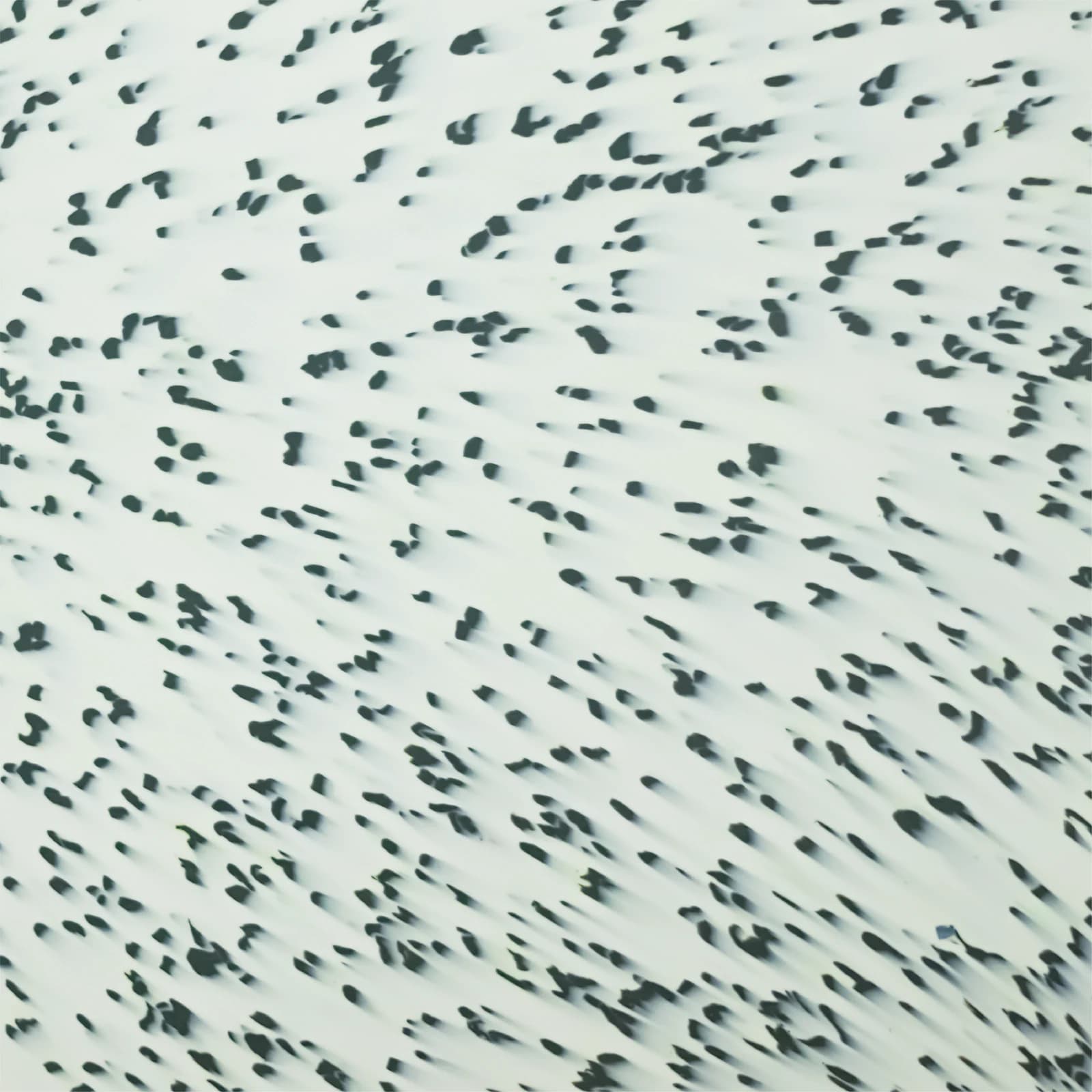
MATERIAL COLORWAYS

SPECIAL COLORS

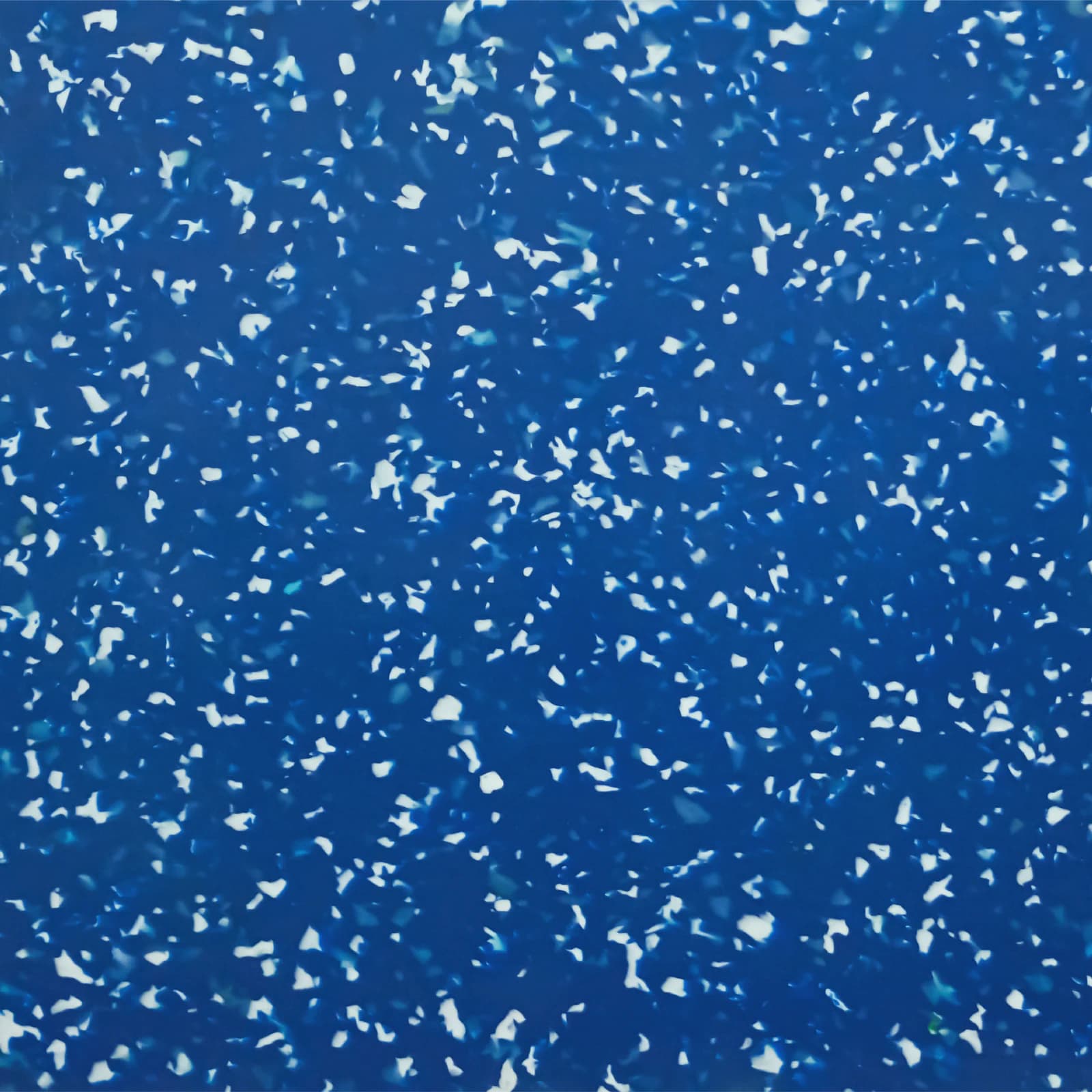
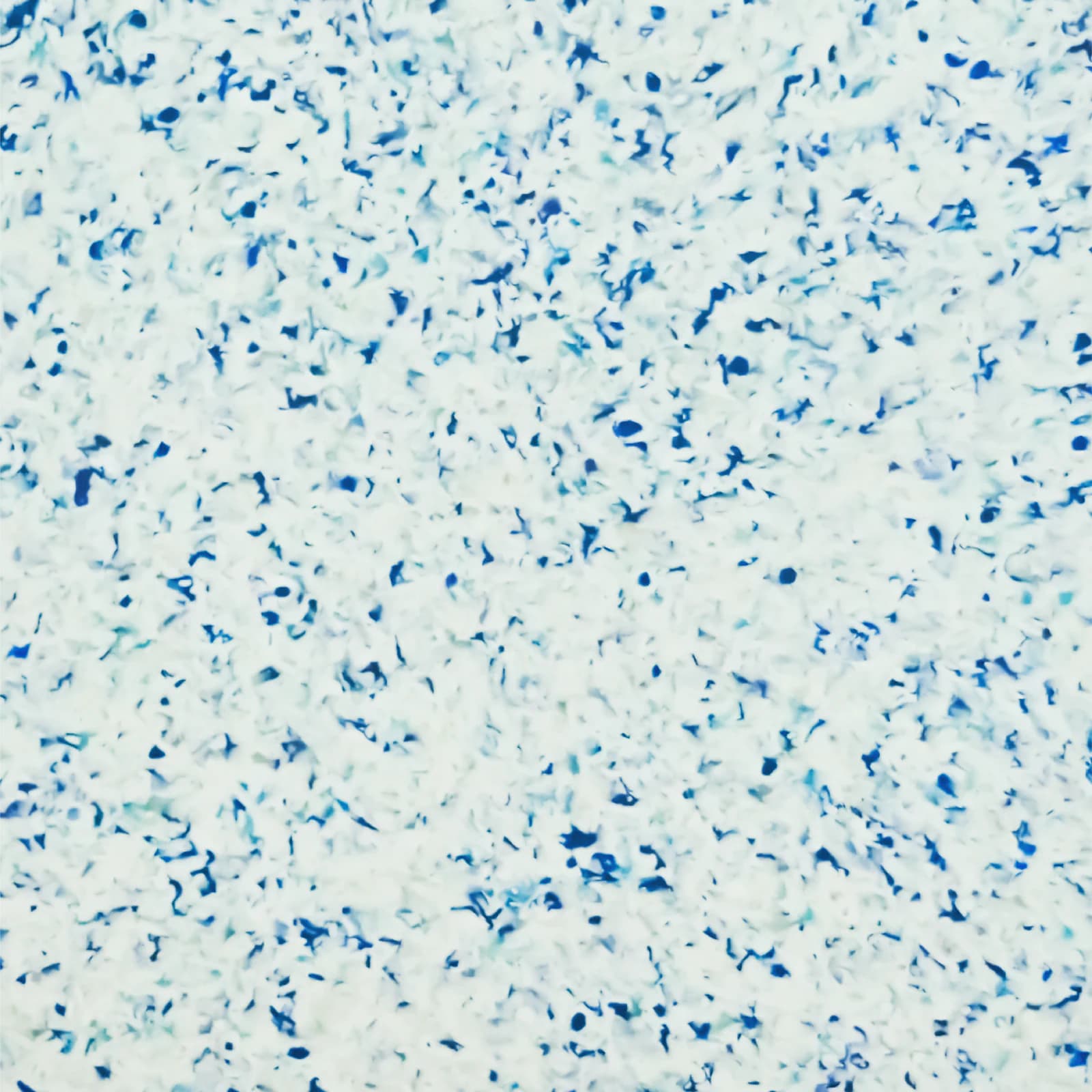
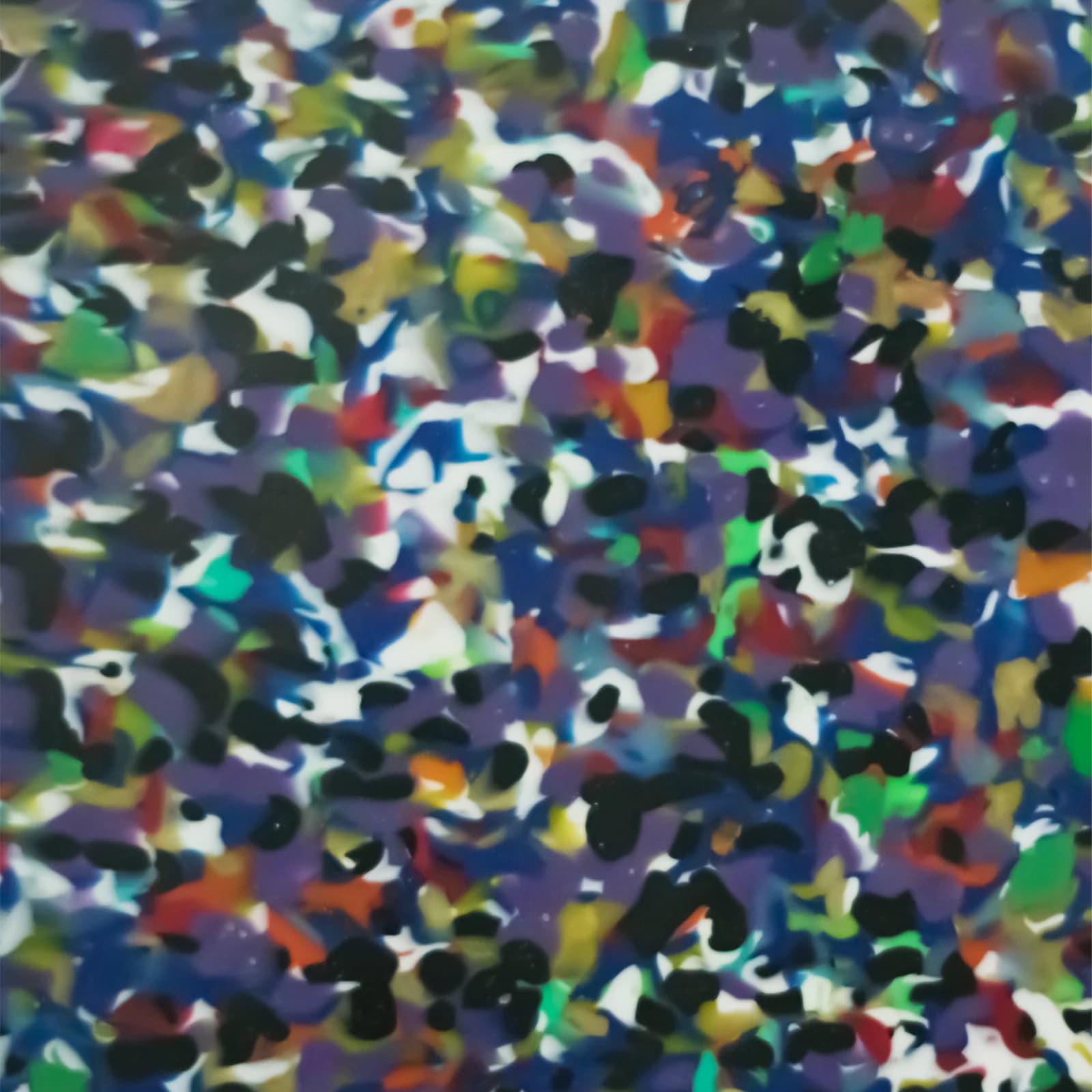
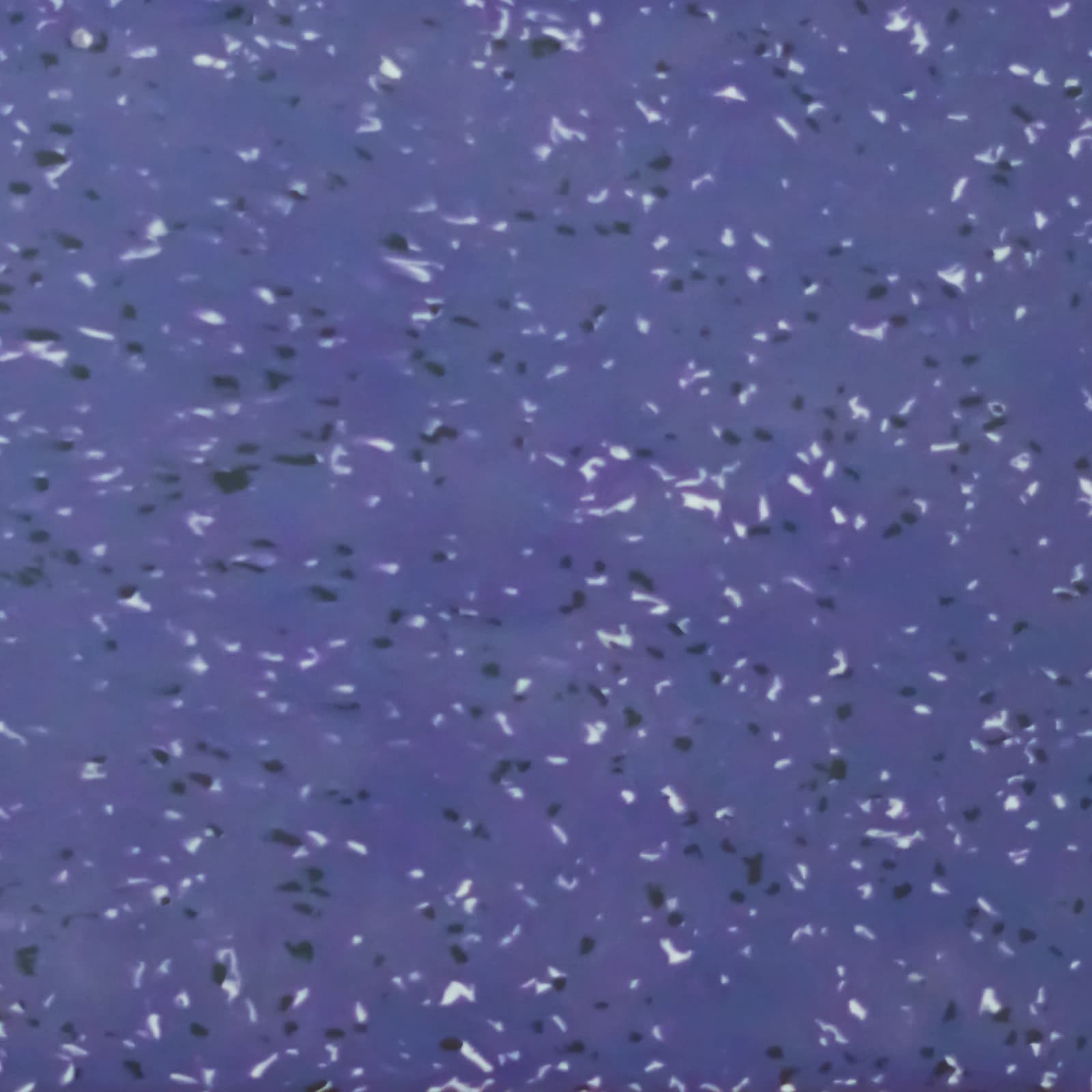
  • Billberry pattern for Robries Polymer Sheet
    Billberry (LDPE)
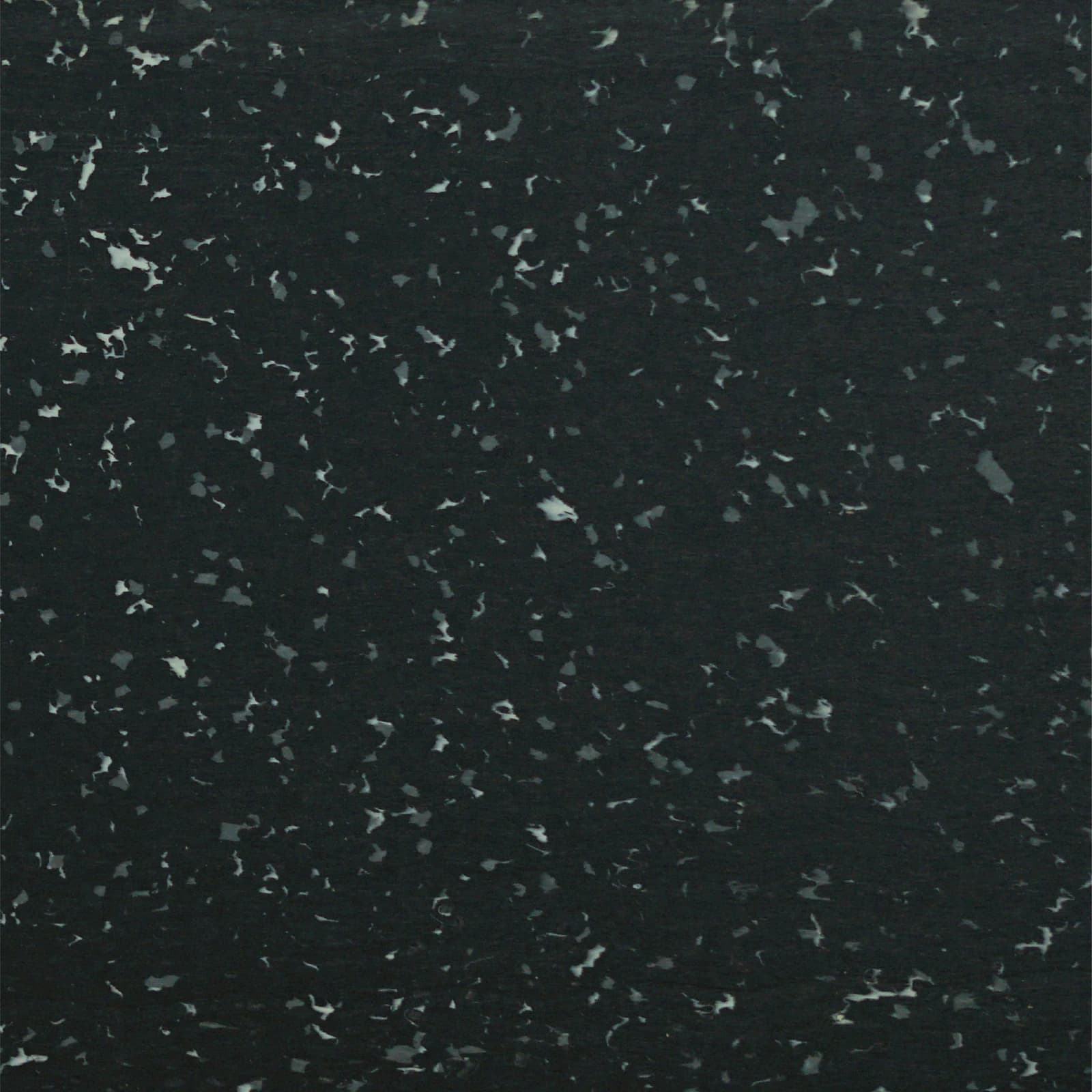
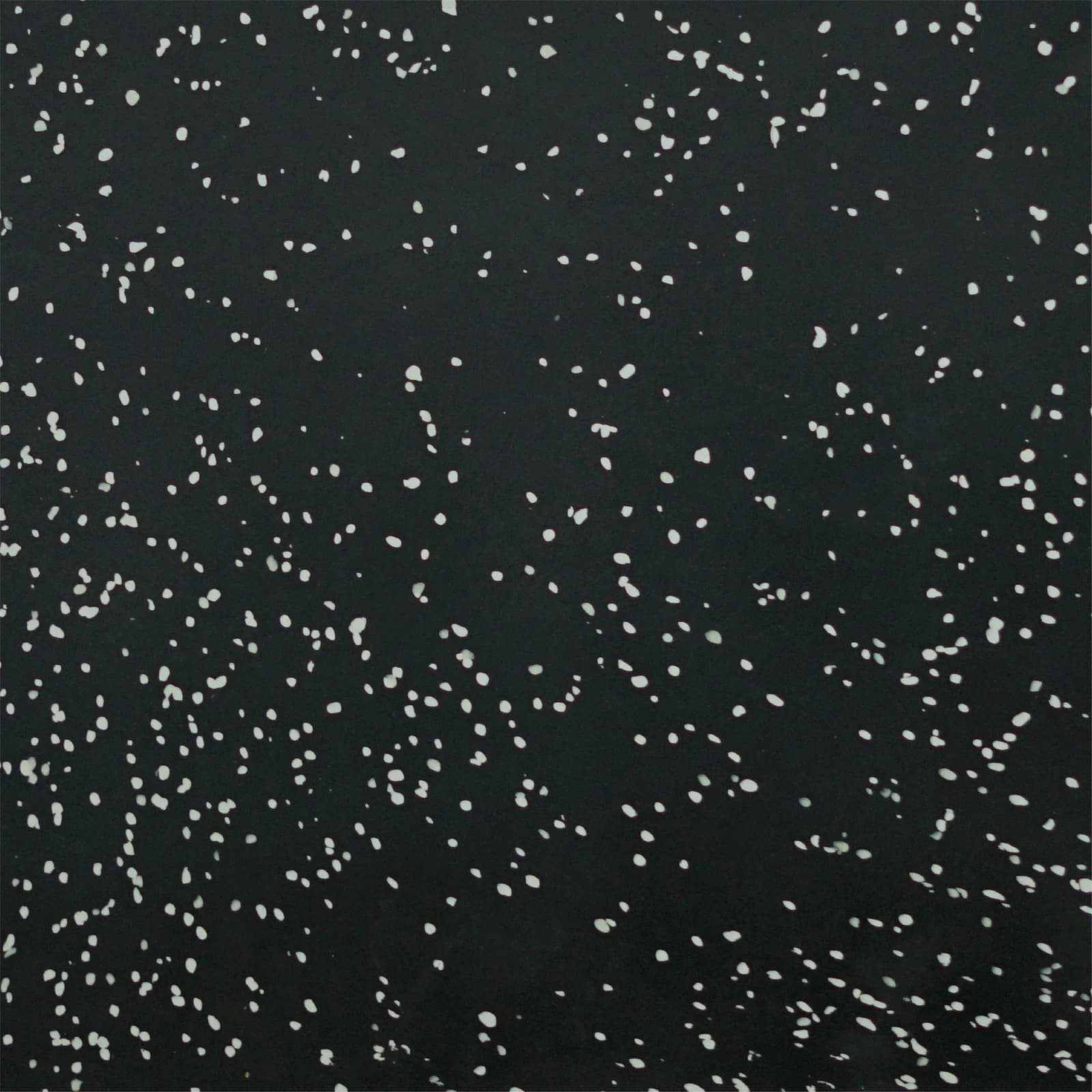
  • Dark Fungi pattern for Robries Polymer Sheet
    Dark Fungi (HDPE)
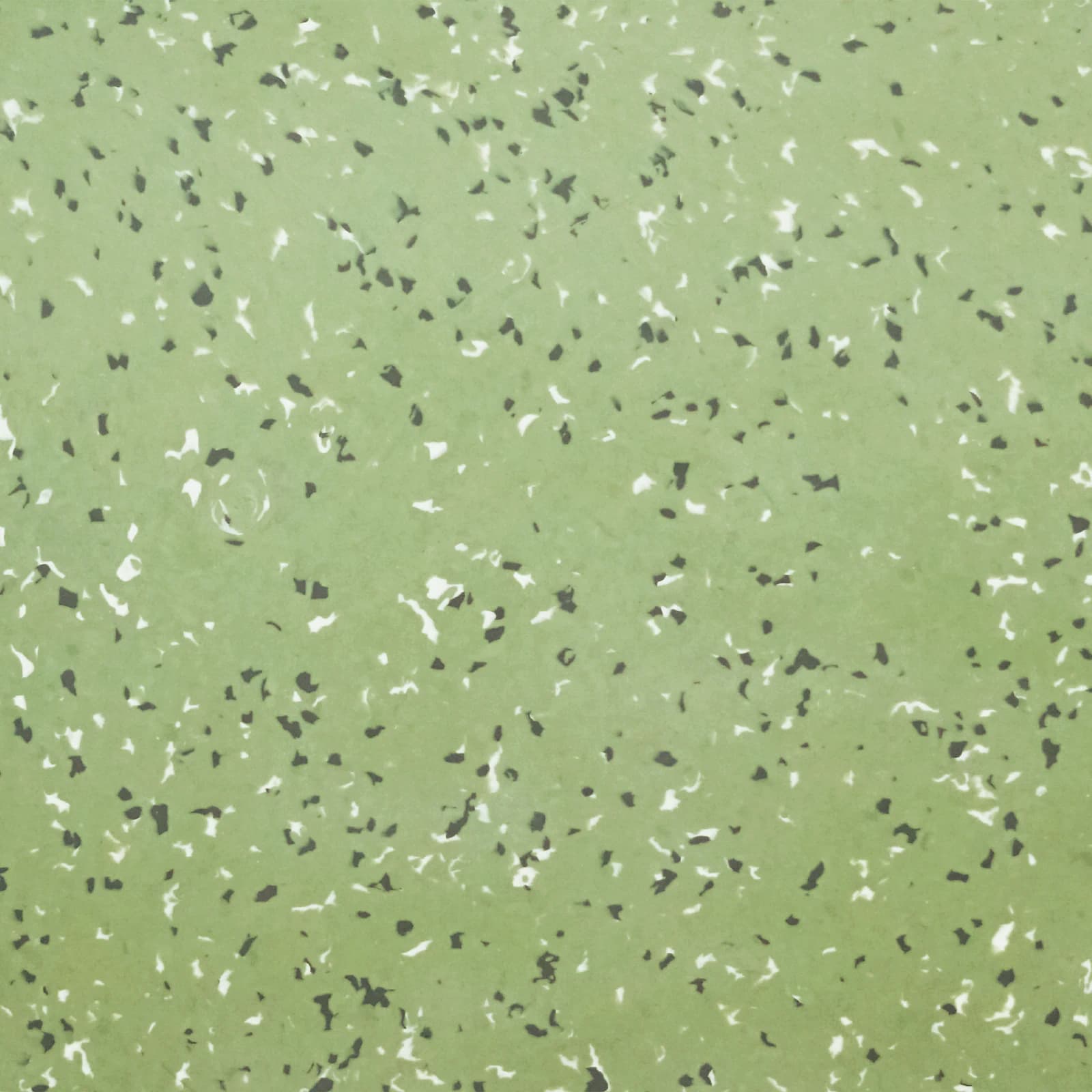
  • Sage pattern for Robries Polymer Sheet
    Sage (HDPE)
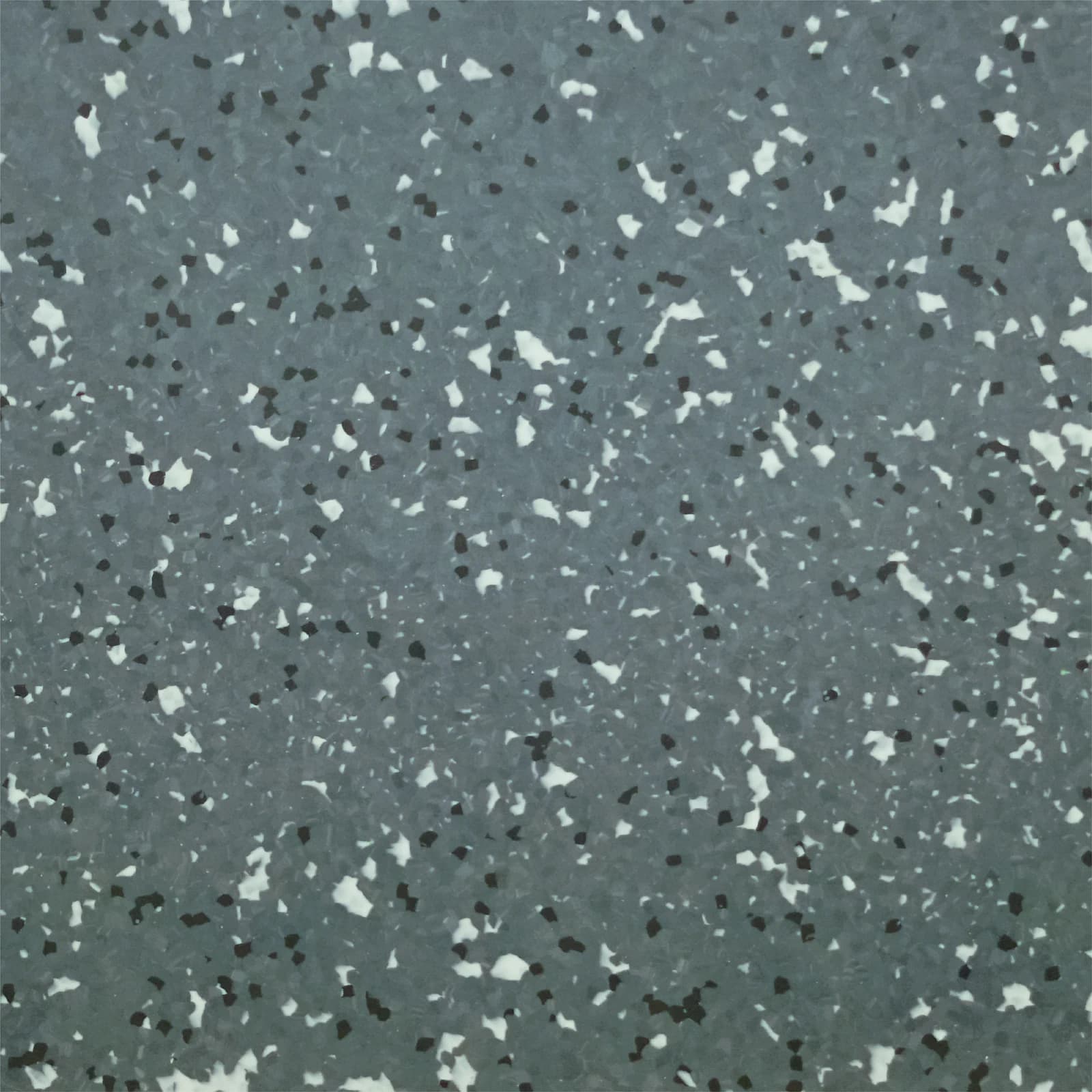
  • Gray Fungi pattern for Robries Polymer Sheet
    Gray Fungi (HDPE)
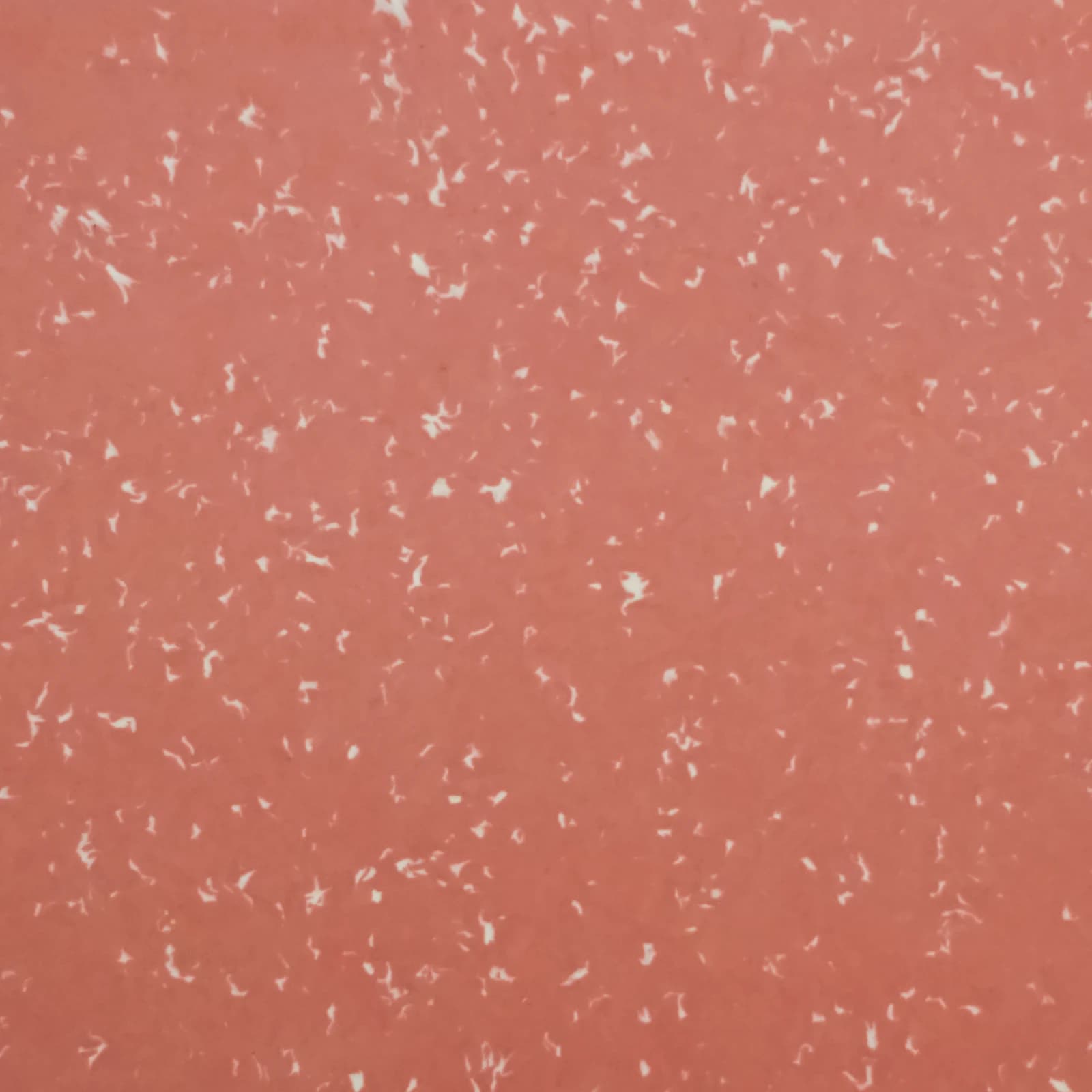
  • Peach pattern for Robries Polymer Sheet
    Peach (HDPE)
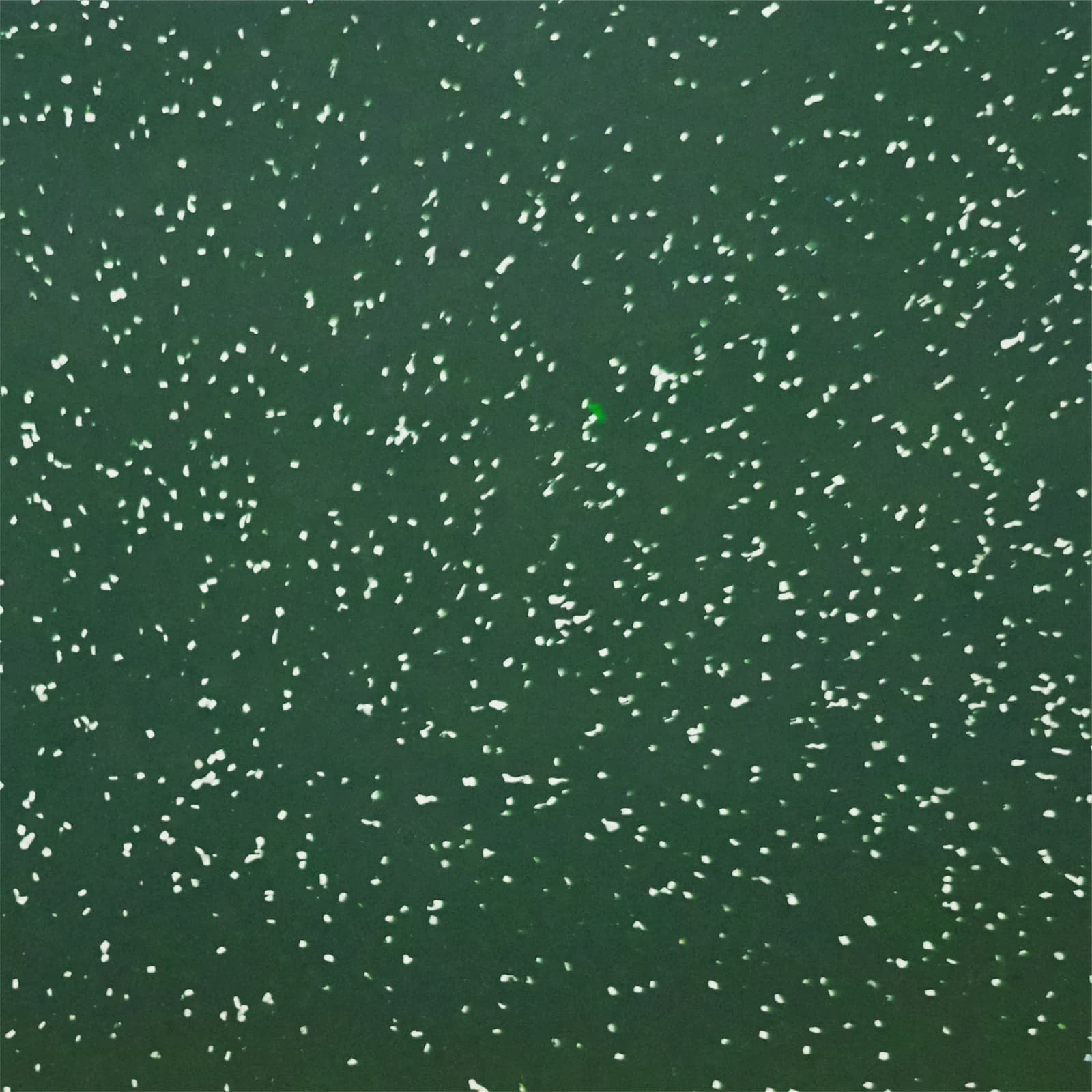
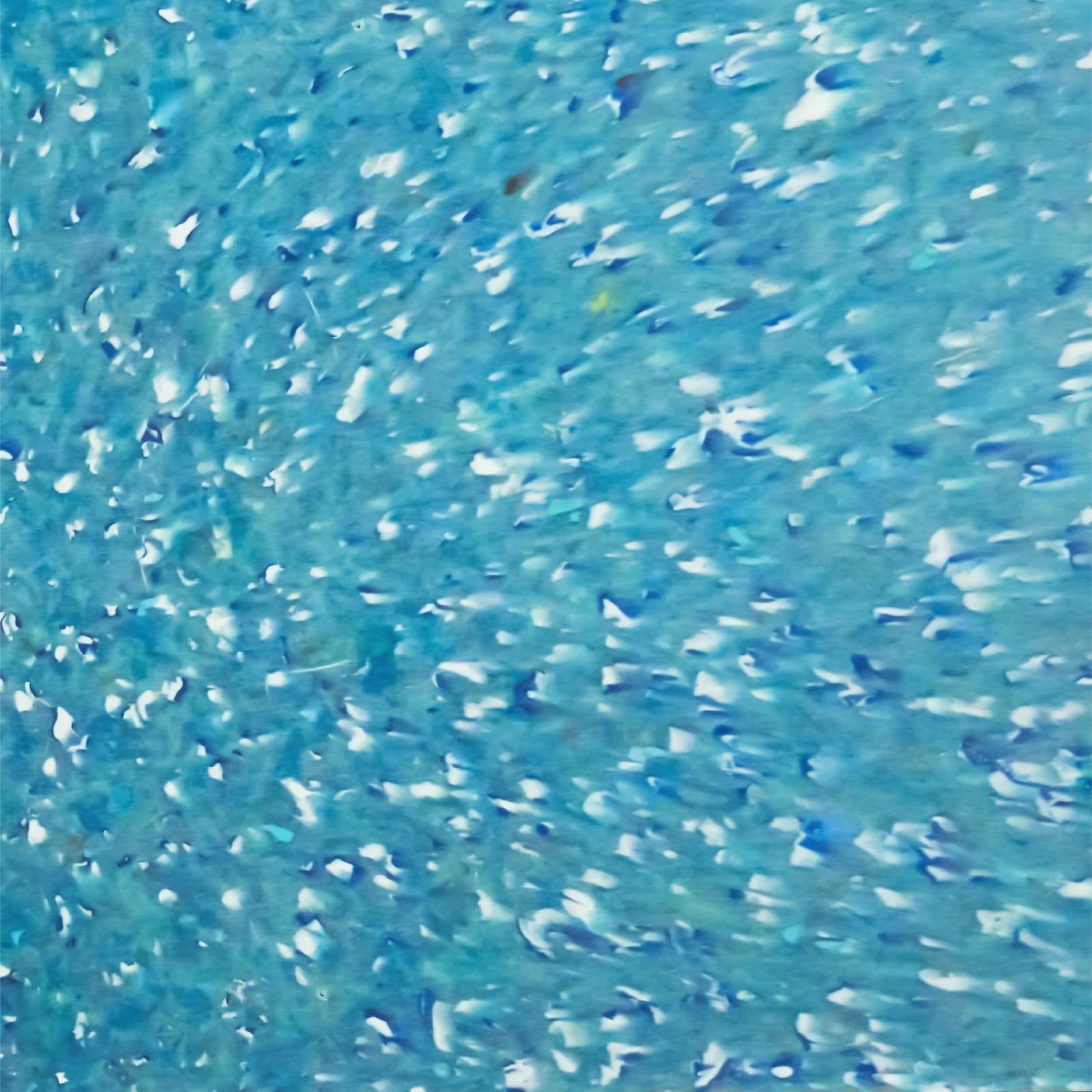
  • Seaweed pattern for Robries Polymer Sheet
    Seaweed (HDPE)

MAIN COLORS

  • Grape pattern for Robries Polymer Sheet
    Grape (HDPE)
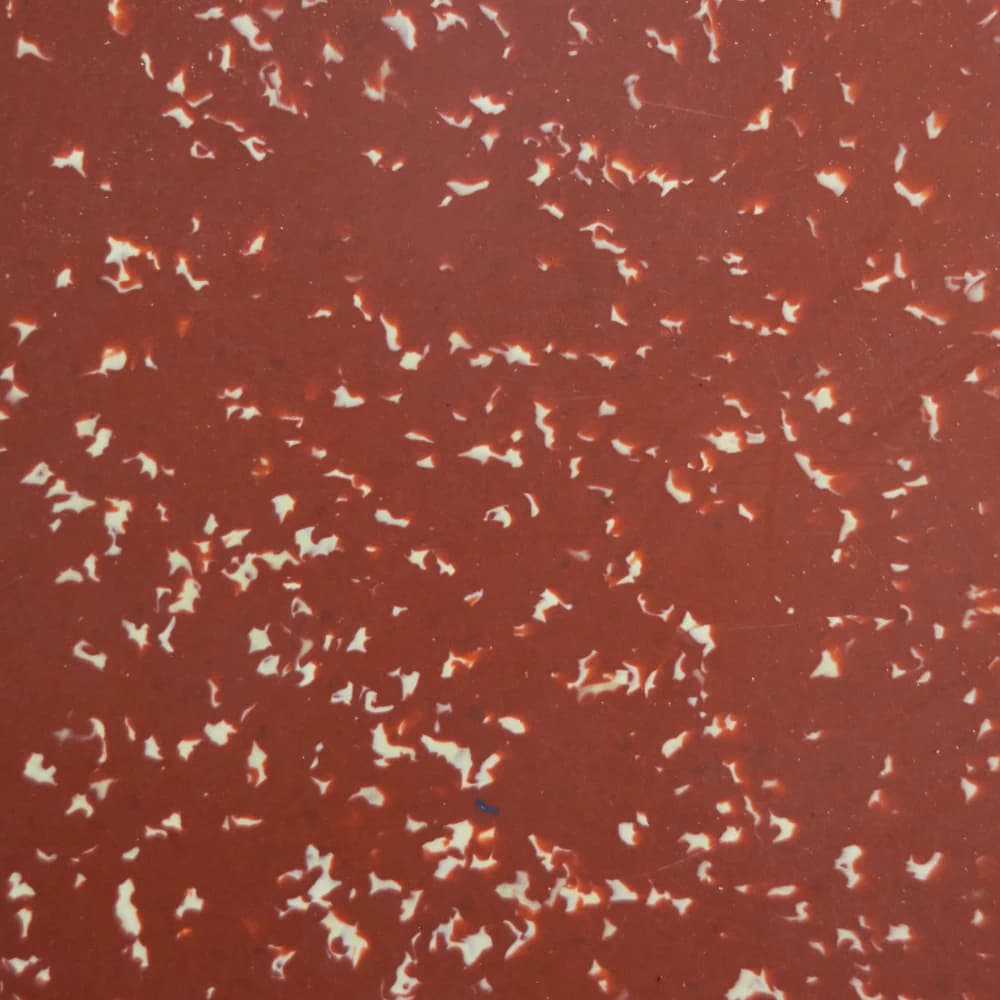
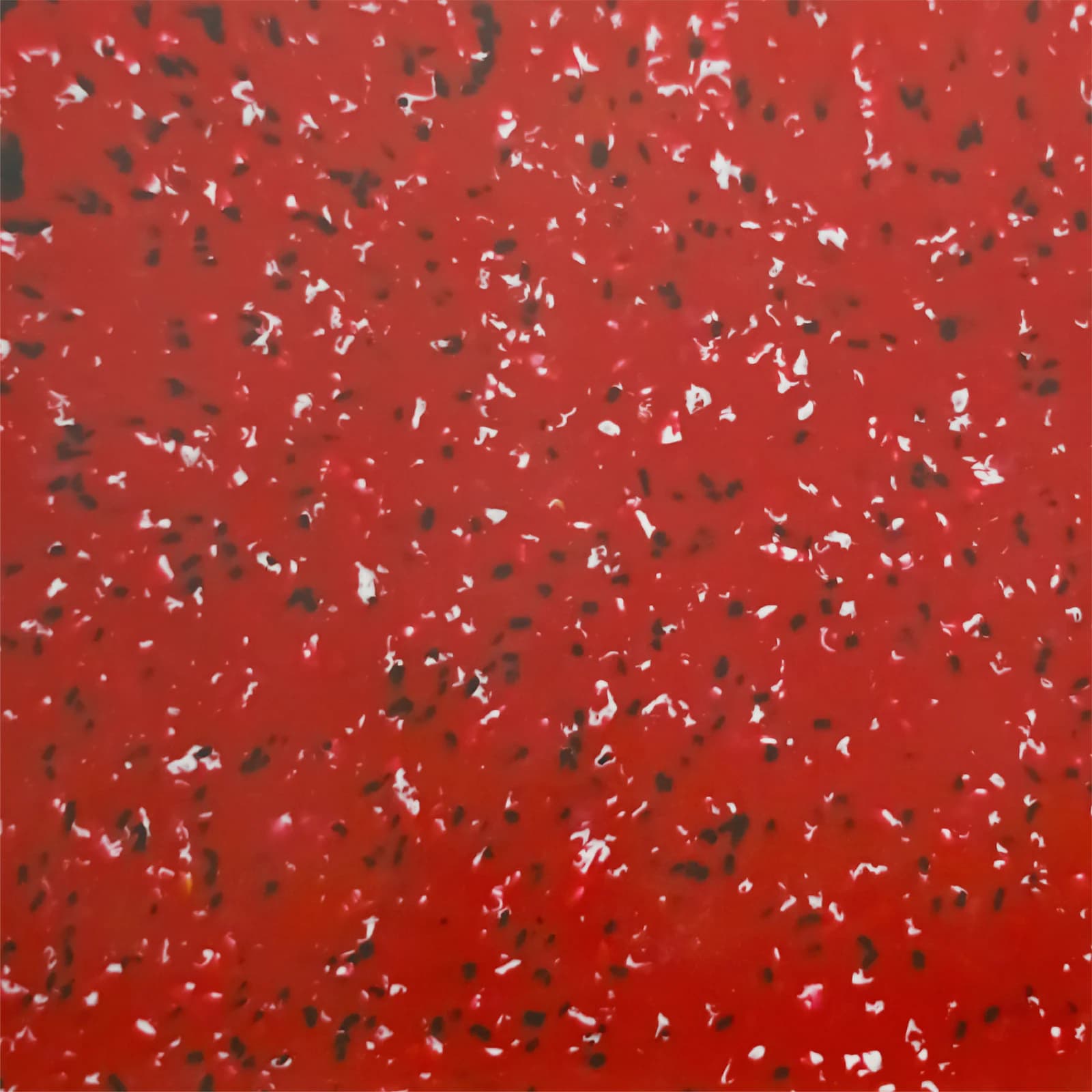
  • Chesnut pattern for Robries Polymer Sheet
    Chesnut (HDPE)
  • Damson pattern for Robries Polymer Sheet
    Damson (HDPE)
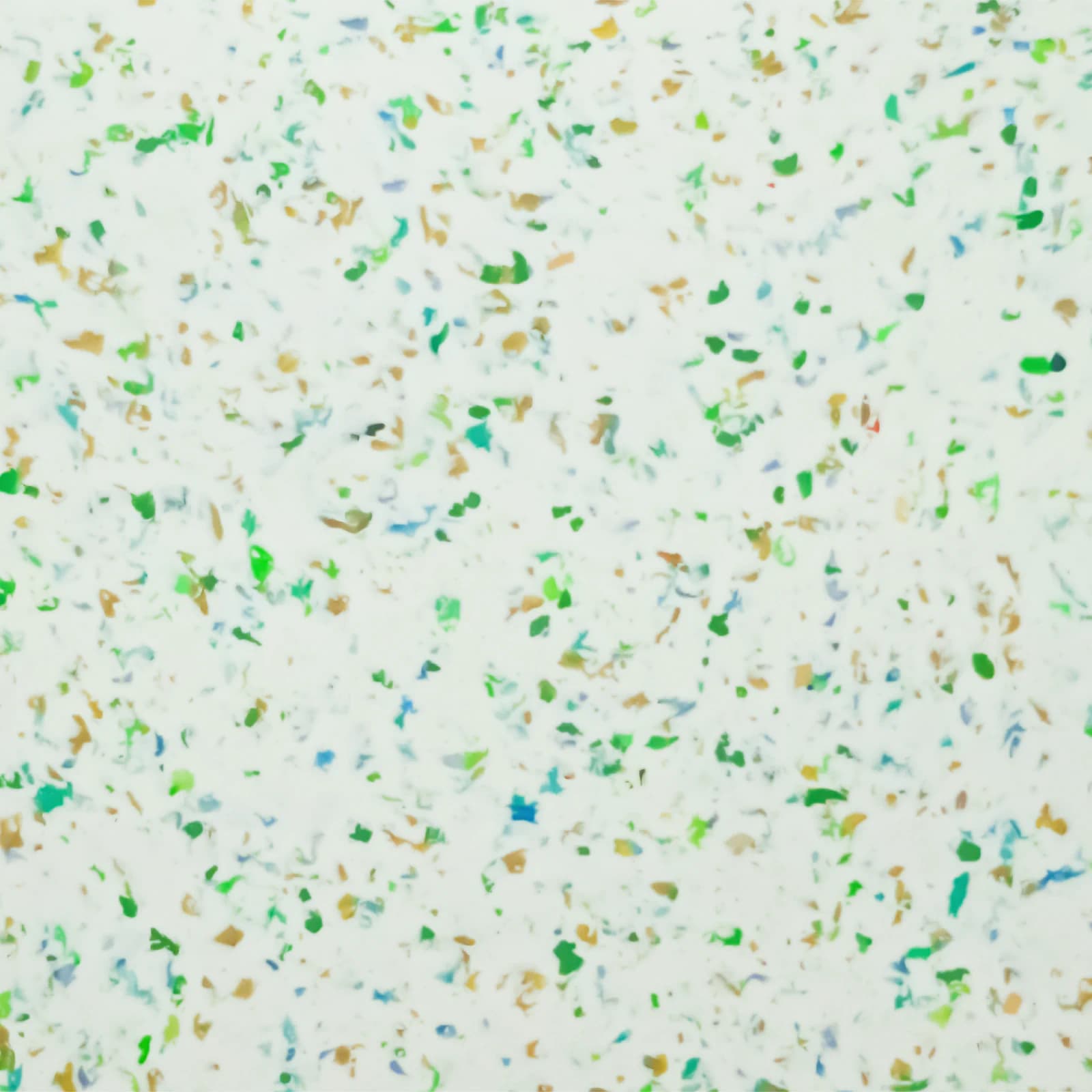
  • Light Terrarium pattern for Robries Polymer Sheet
    Light Terrarium (HDPE)
  • Juniper pattern for Robries Polymer Sheet
    Juniper (HDPE)
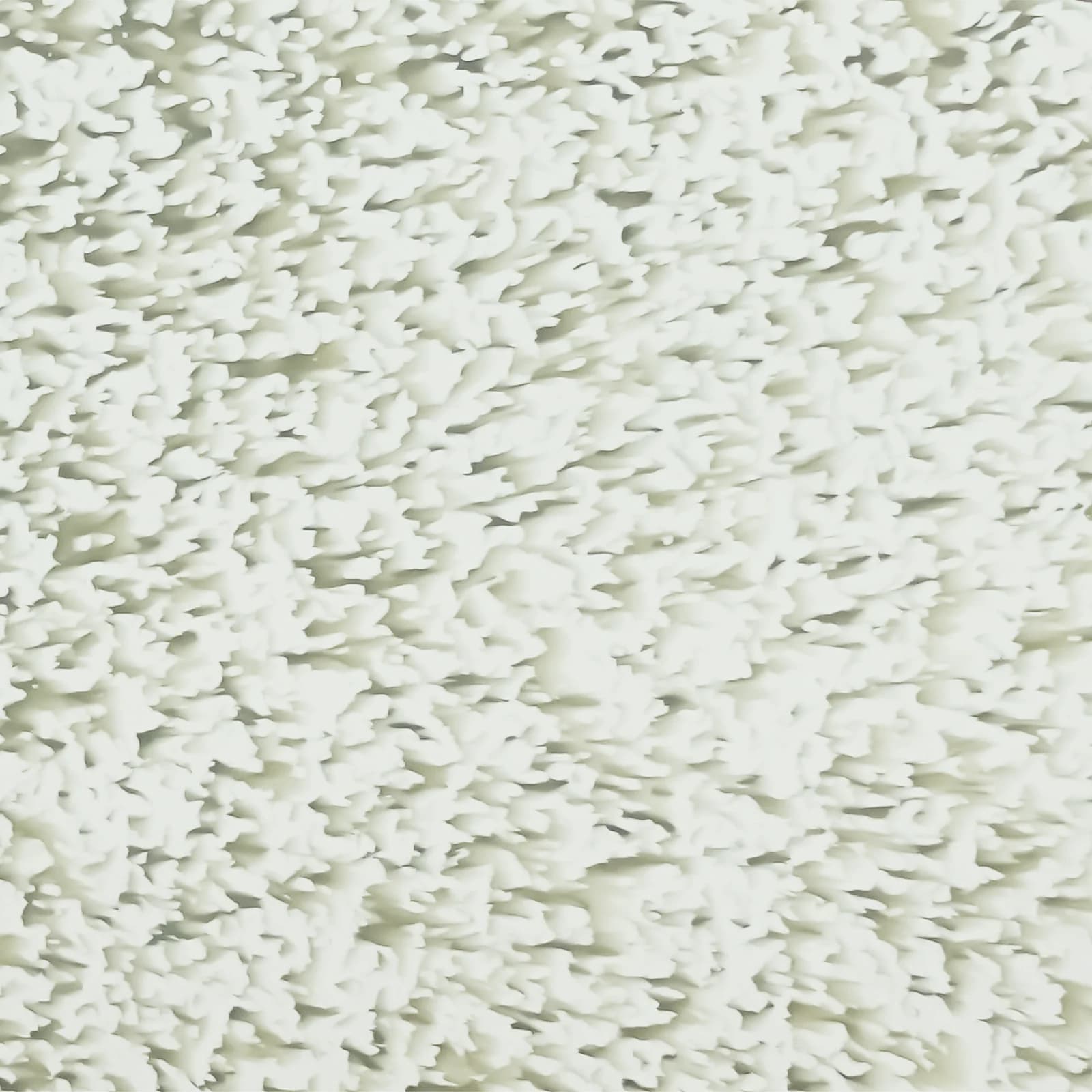
  • White Seeds pattern for Robries Polymer Sheet
    White Seeds (HDPE)
  • Black Traffle pattern for Robries Polymer Sheet
    Black Traffle (HDPE)
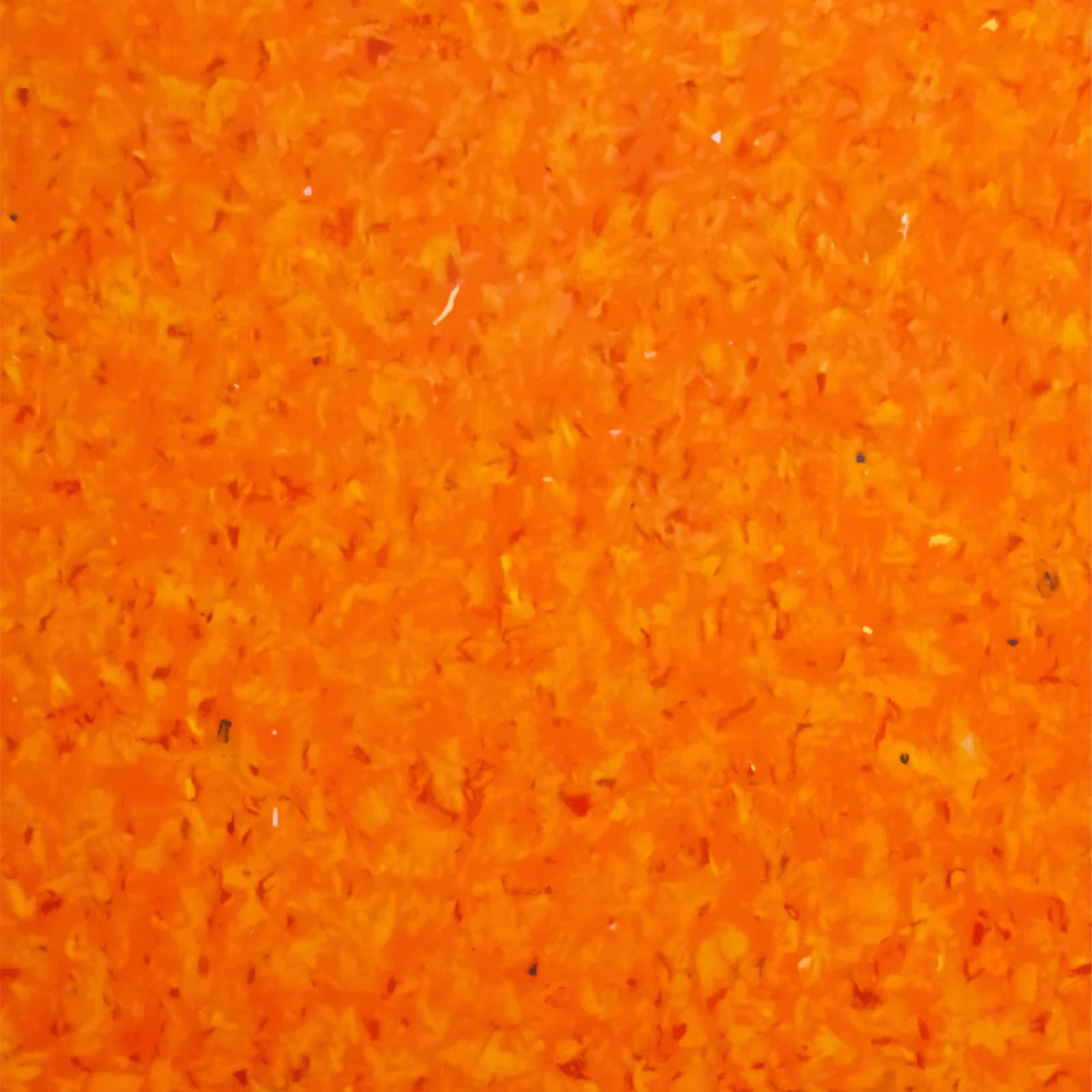
  • Carrot pattern for Robries Polymer Sheet
    Carrot (HDPE)
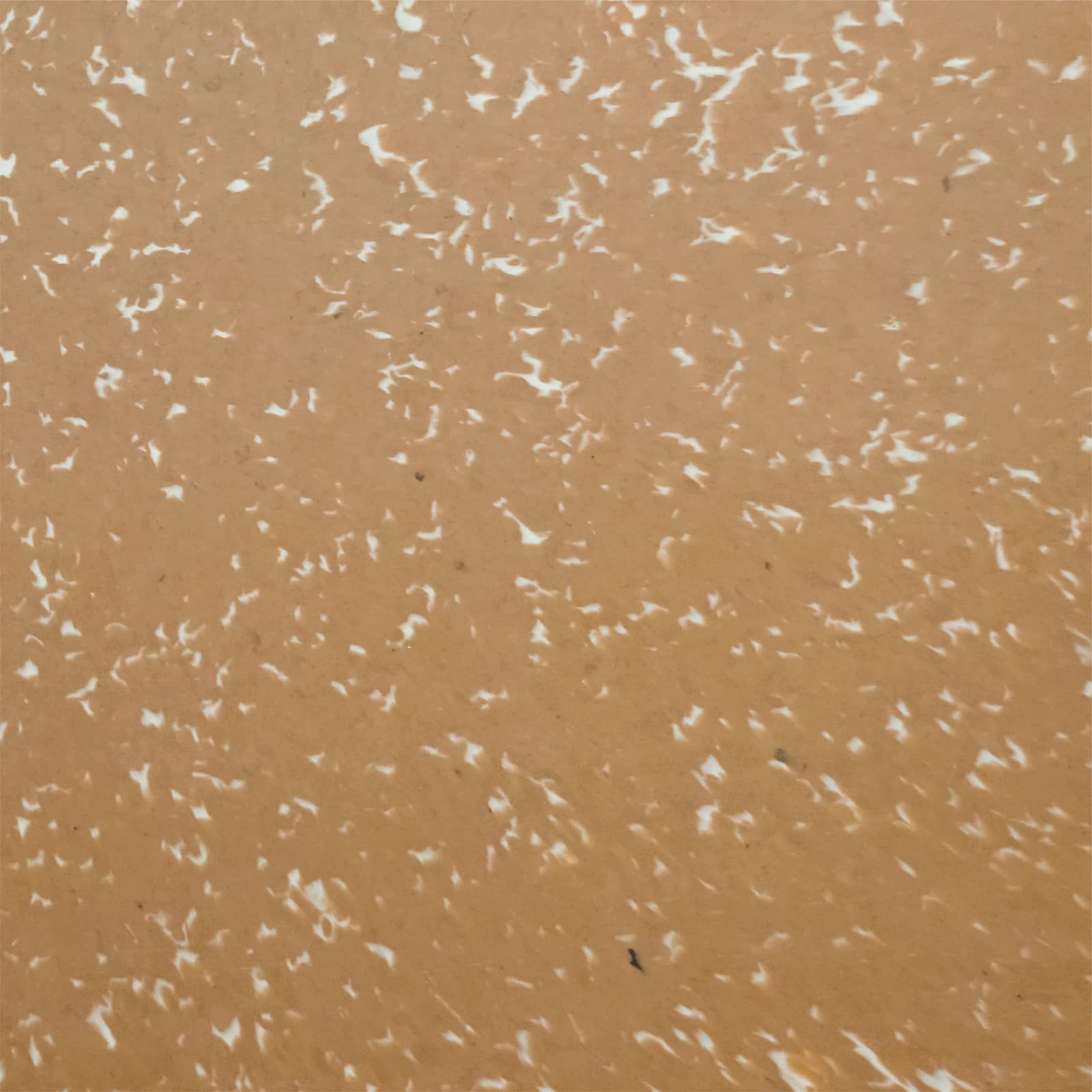
  • Cashew pattern for Robries Polymer Sheet
    Cashew (HDPE)
  • Dark Terrarium pattern for Robries Polymer Sheet
    Dark Terrarium (HDPE)
  • Flax pattern for Robries Polymer Sheet
    Flax (HDPE)
  • Leafs pattern for Robries Polymer Sheet
    Leafs (HDPE)
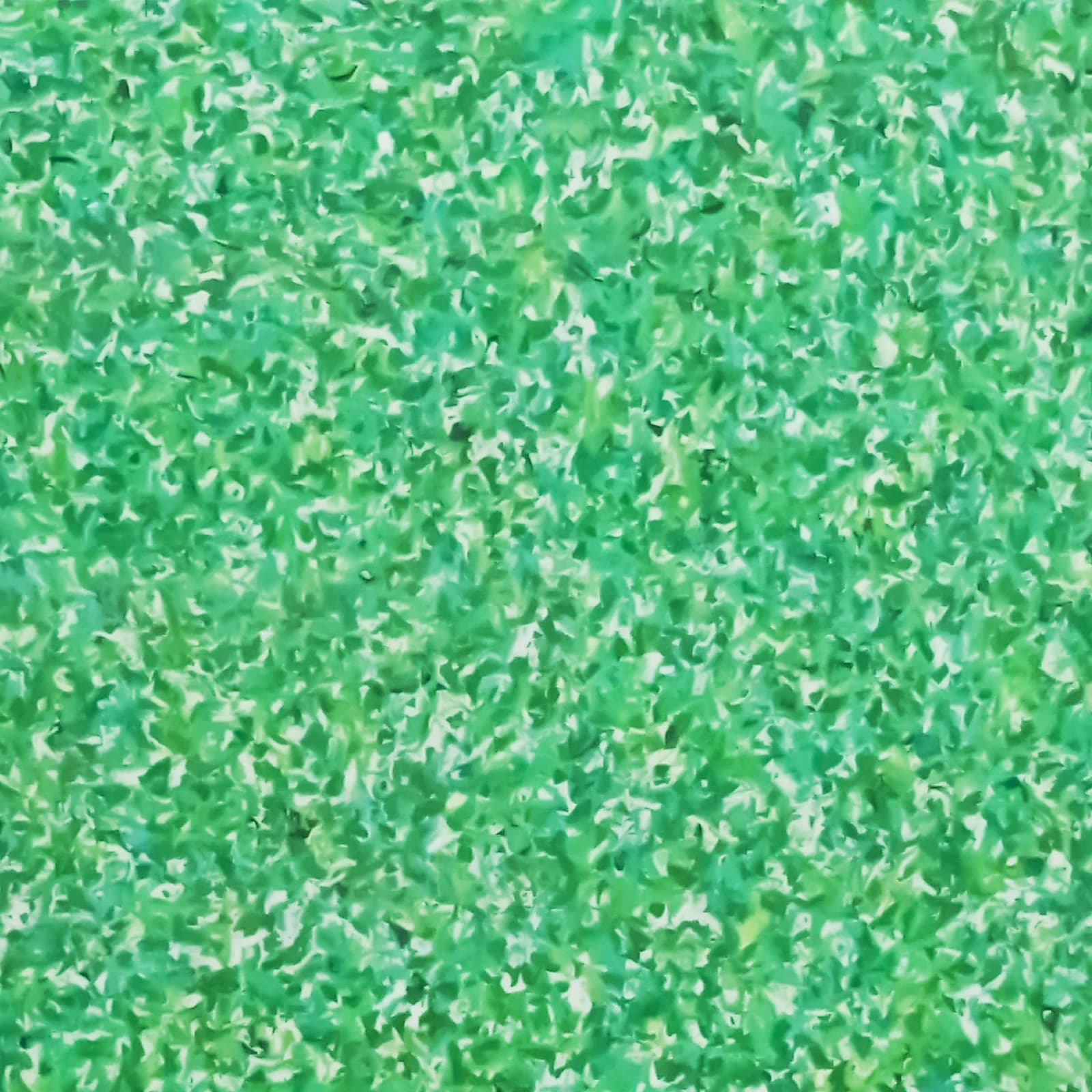
  • Rose pattern for Robries Polymer Sheet
    Rose (HDPE)
  • Taro pattern for Robries Polymer Sheet
    Taro (HDPE)
  • White Fungi pattern for Robries Polymer Sheet
    White Fungi (HDPE)

SIZE VARIANTS

95 × 40

(actual size 94.7 × 39.7 cm)

  • 95 × 40 × 1 cm6.5 kg
  • 95 × 40 × 1.5 cm8.2 kg
  • 95 × 40 × 2 cm10 kg

100 × 50

(actual size 99.7 × 49.7 cm)

  • 100 × 50 × 1 cm8 kg
  • 100 × 50 × 1.5 cm10 kg
  • 100 × 50 × 2 cm12 kg

120 × 60

(actual size 119.7 × 59.7 cm)

  • 120 × 60 × 1 cm11 kg
  • 120 × 60 × 1.5 cm16 kg
  • 120 × 60 × 2 cm19 kg

* Dimensional tolerance may vary by 3-5 mm

TECHNICAL WORKABILITY

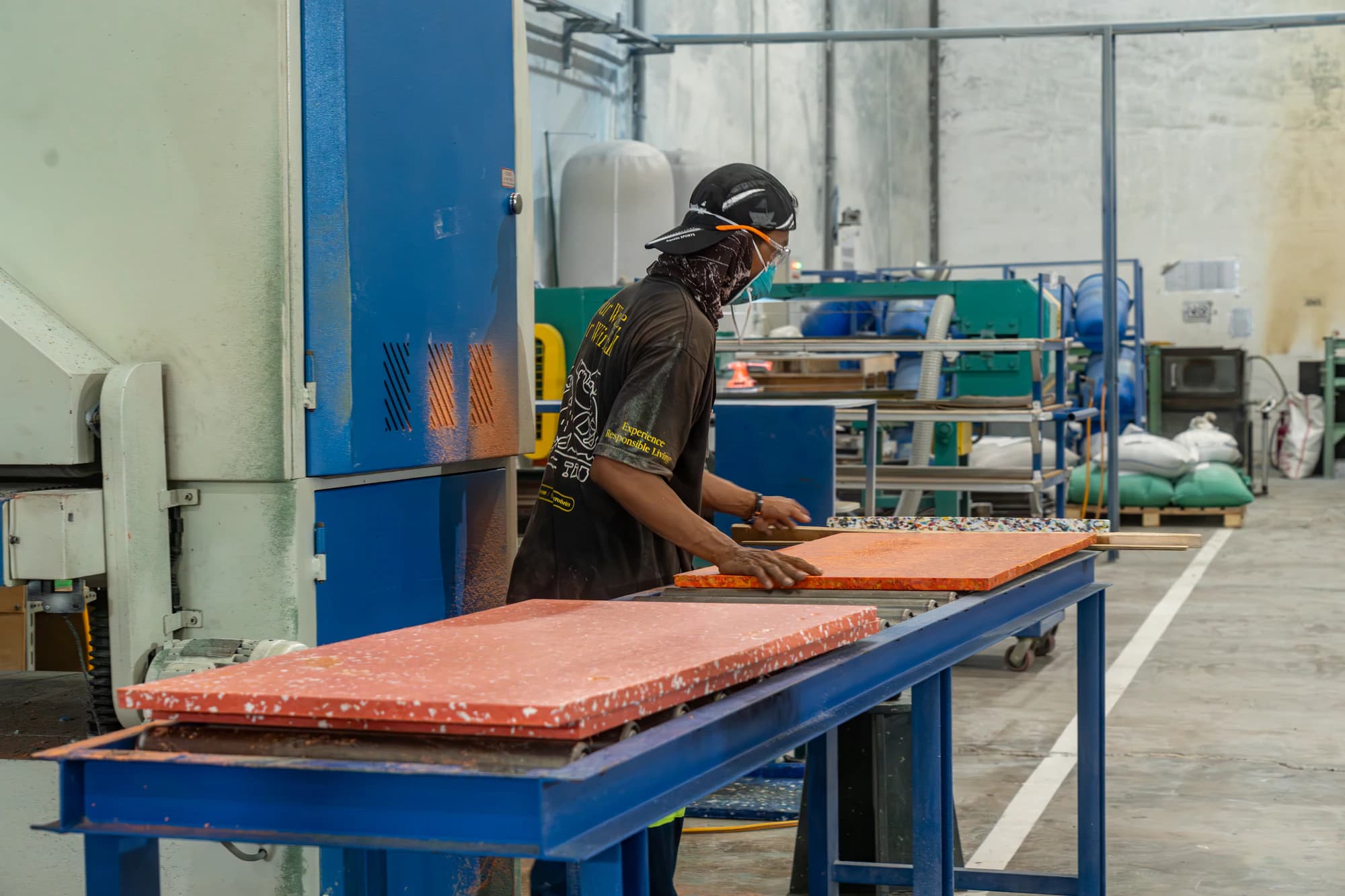
Robries Polymer Sheet can be worked with standard workshop tools for cutting, engraving, joining, bonding, and mechanical fastening.
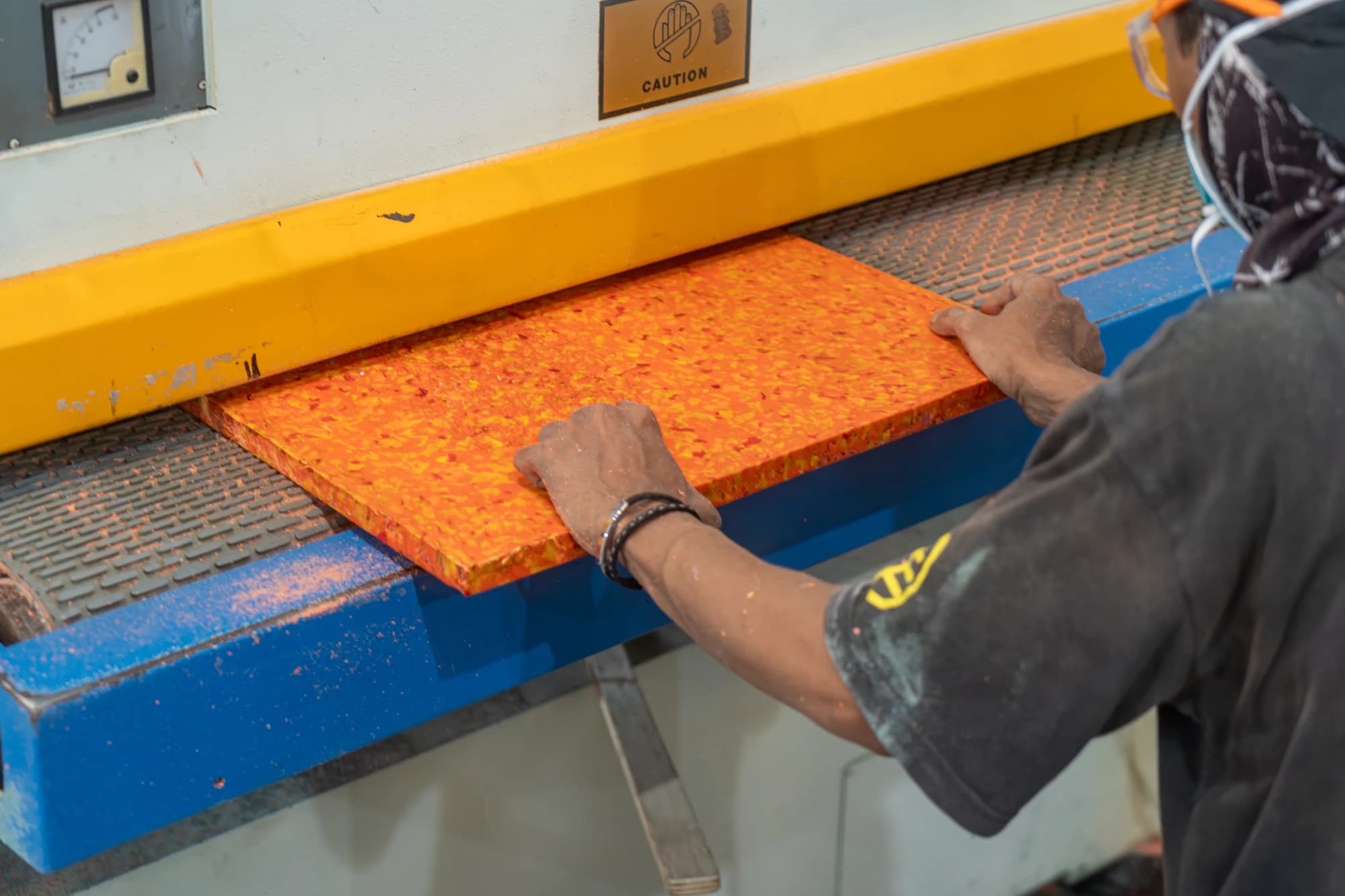
Robries Polymer Sheet cutting process with workshop machinery
Robries Polymer Sheet being processed in a production area

HOW TO PROCESS

CUTTING

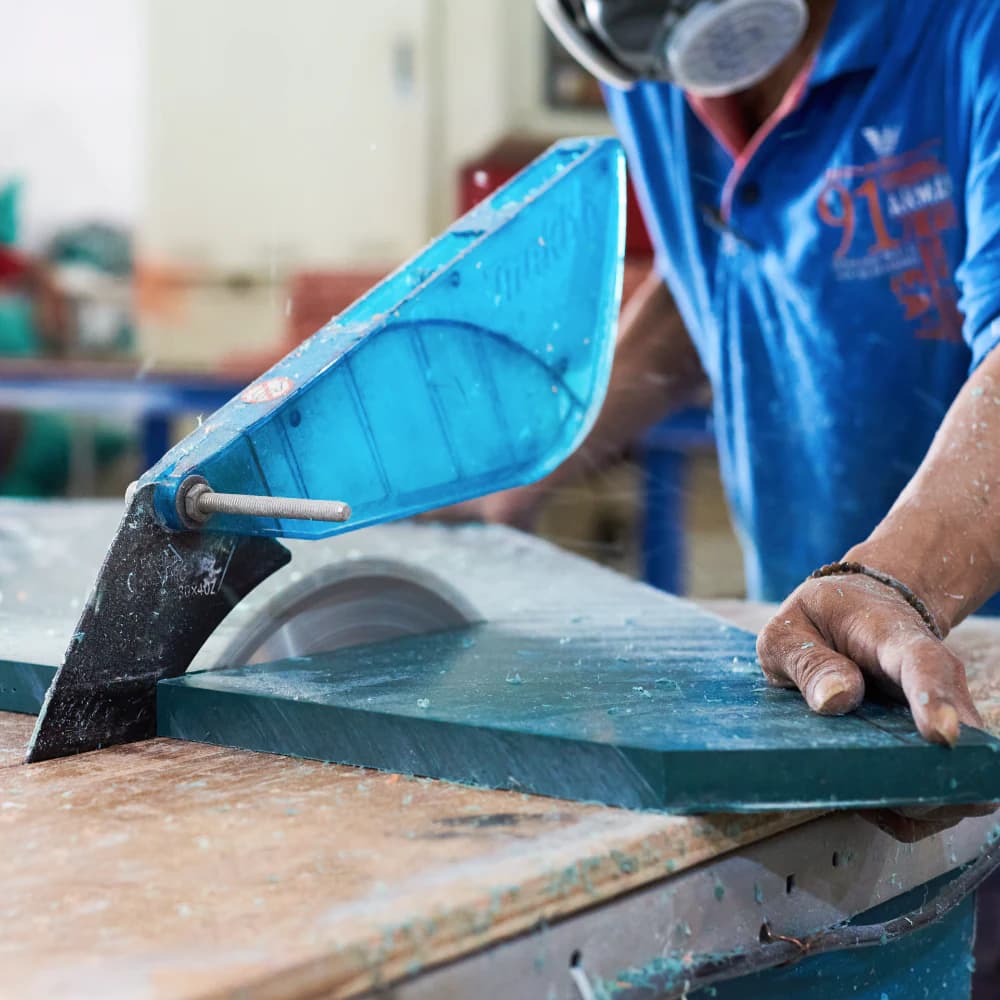
Cutting Robries Polymer Sheet with a circular saw
  • Circular saw
  • Angle grinder
  • Router
  • Jigsaw

ENGRAVING

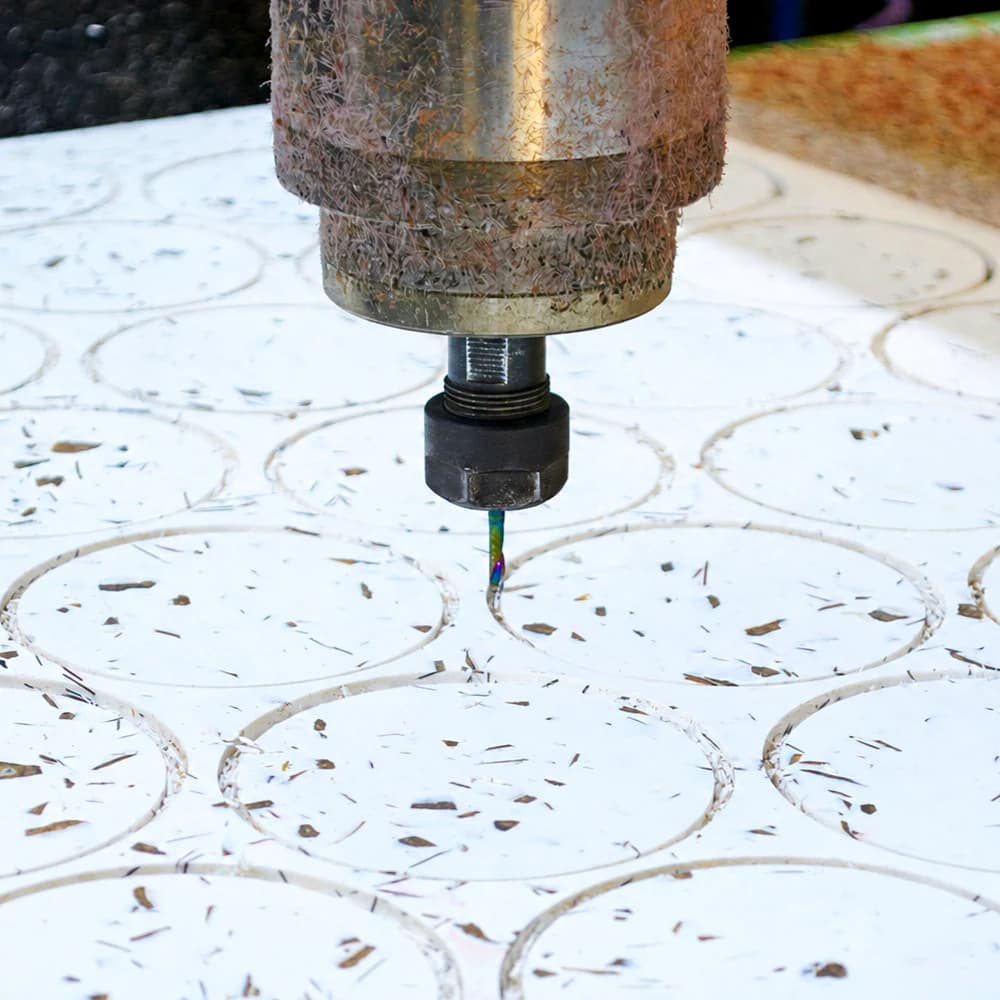
Engraving Robries Polymer Sheet with a CNC machine
  • CNC machine

JOINING

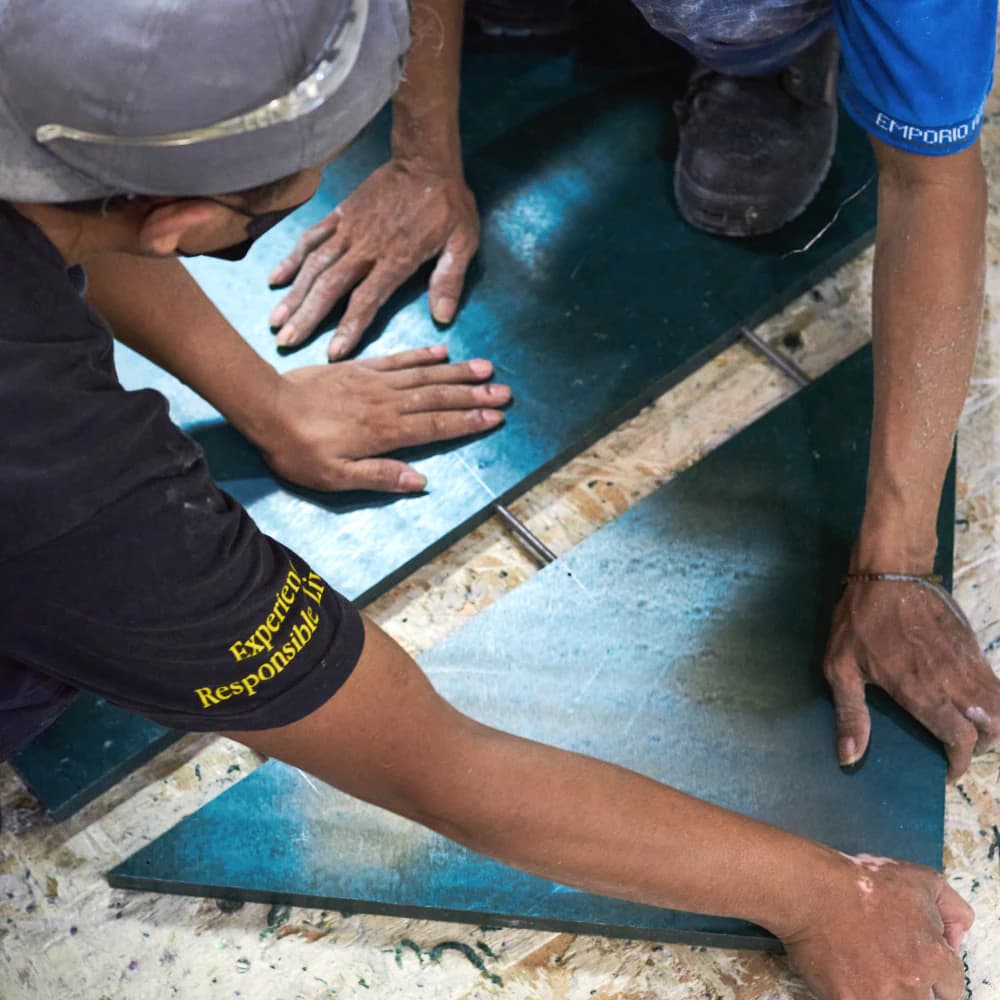
Joining Robries Polymer Sheet in the workshop
  • Drilling machine
  • Nail gun

SCREW TYPES

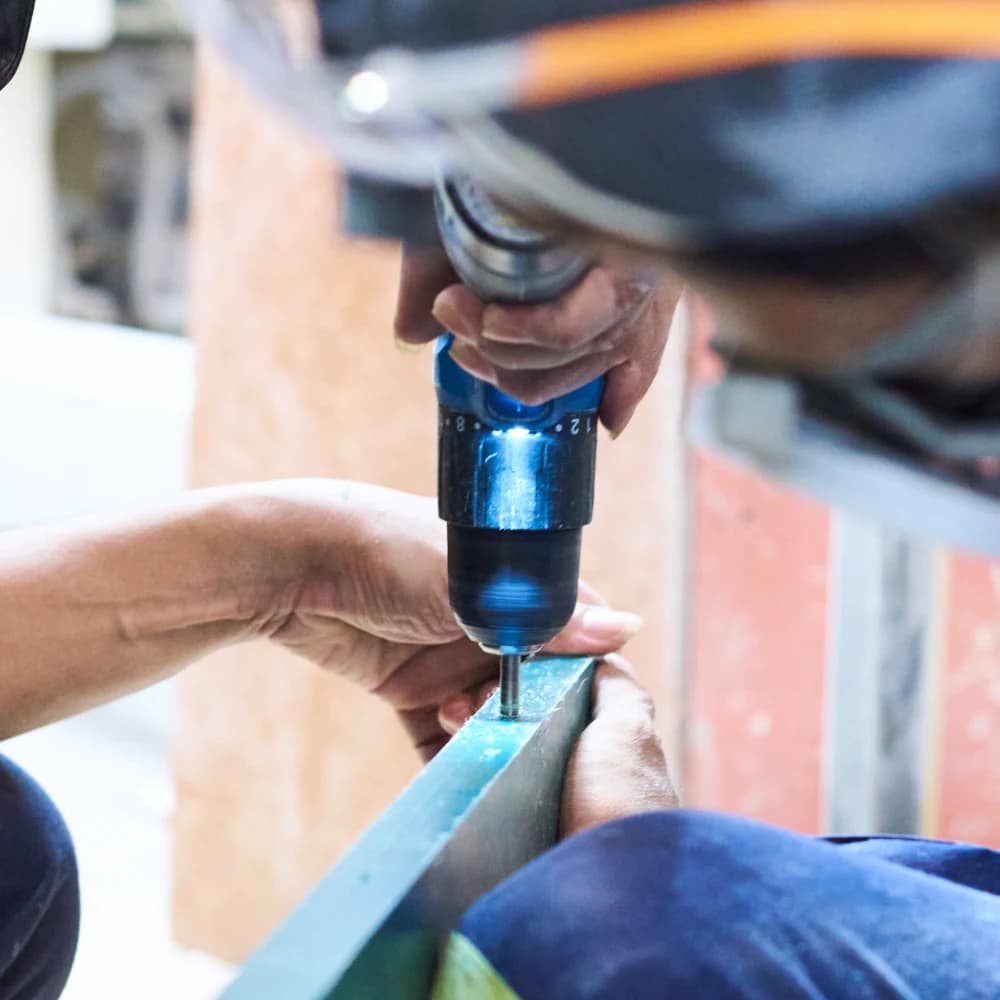
Installing a screw in Robries Polymer Sheet with a drill
  • Drywall screw
  • Threaded insert & socket head bolt

ADHESIVE

Applying adhesive to Robries Polymer Sheet
  • Epoxy adhesive with clamps
  • Adhesive mortar
  • Polychloroprene contact adhesive

Robries Polymer Sheet CAN BE HEAT-BENT

Bent Robries Polymer Sheet application

HOW TO BEND

  1. Clamp the side of the material that will not be bent.

  2. Use a heat gun to warm the bending area evenly to around 60 degrees C.

  3. When the material starts to soften and bend, press it to the desired angle and clamp it until cool.

CARE & MAINTENANCE

HEAT

Do not use the material as a kitchen countertop near a stove. Avoid prolonged direct sunlight. Maximum heat resistance is 140 degrees C.

FOOD CONTACT

Robries Polymer Sheet is certified non-toxic, but it is not yet certified for direct food contact. Use a separate container or liner when food contact is required.

SURFACE SUPPORT

For tabletops, make sure the supporting structure covers at least 70% of the surface to keep the material stable during use.

CLEANING

Use a soft cloth for routine cleaning. Avoid abrasive tools and harsh chemicals that may damage the surface.

ROBRIES Icon

START YOUR SUSTAINABLE PROJECT WITH ROBRIES